Throwing Out the Rules: Making Dada Poetry with Kids
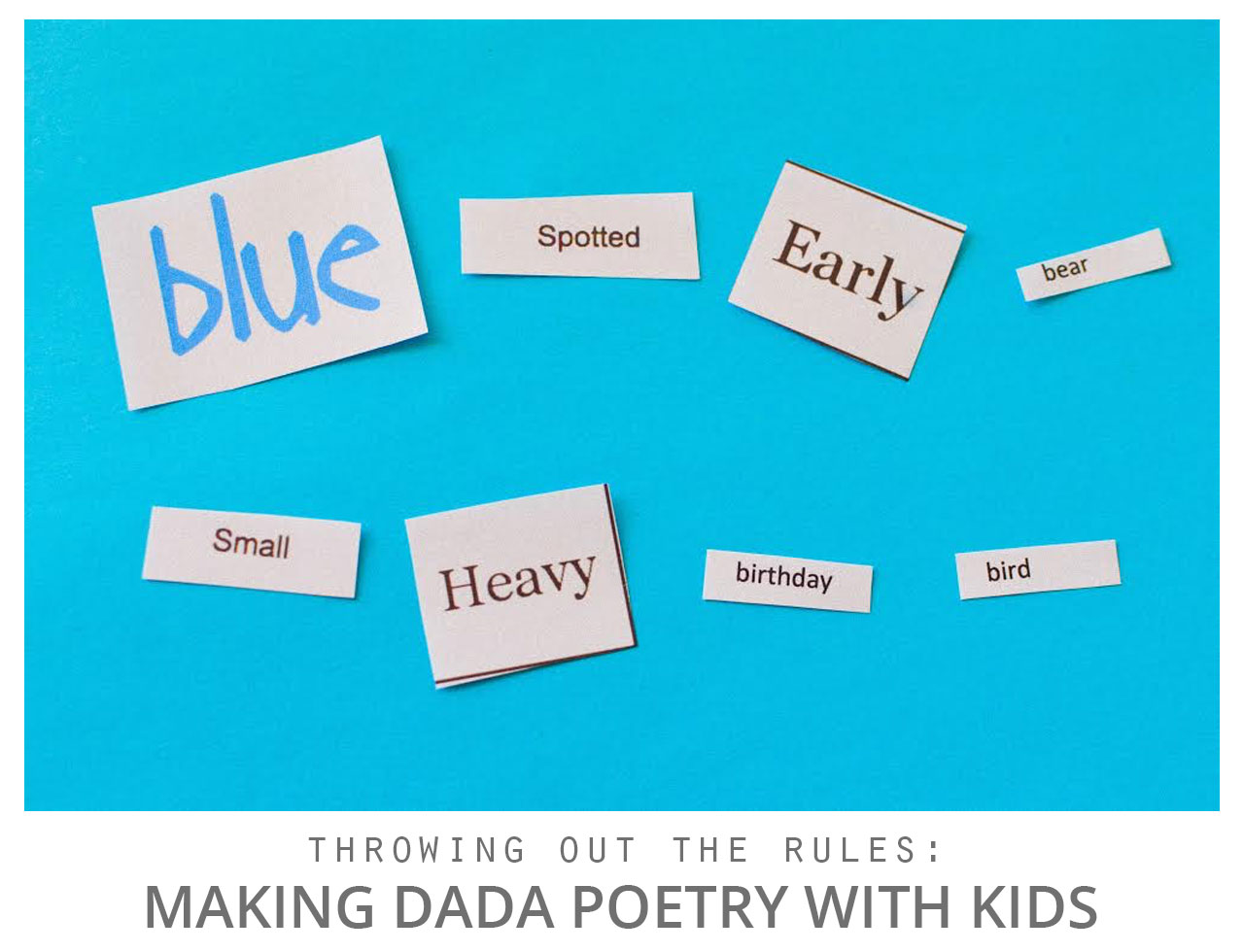 The Dada art movement existed at the beginning of the 20th century and looked to explore meaning in art. They were interested in abstract and surreal ideas and challenged the conventional notions of what art means. So how does this translate to children?
Well, who do you know who likes to challenge ideas? Who is creative? Who likes to play? Of course, your children do. So why not play with poetry too? We often think of poetry as grand and untouchable, serious even, but teaching children to be unafraid of poetry, to embrace its possibilities will quickly turn them into poets themselves.
The Dadaists believed in challenging the conventional, they wanted to throw away the old and embrace new possibilities. An activity some Dadaists tried was simply pulling words out of a hat and turning that into poetry, they wanted to show that it could be simple and meaningful too.
I always loved the idea that words could flow into one another and still make sense, that we can find meaning in all sorts of constructions. This is an activity I’ve tried with teenagers and young kids alike, they have all loved it and found meaning in their work. It’s a great way to break down the barriers many people have around poetry and encourage creativity in a new way.
What you’ll need:
Word lists:
Color words (cerise, scarlet, cerulean..)
Verbs (running, twisting, loving, flying…)
Prepositions (to, from, under, near….)
Articles (the, an, a….)
Nouns (she, cat, leaf, stars, Paris…)
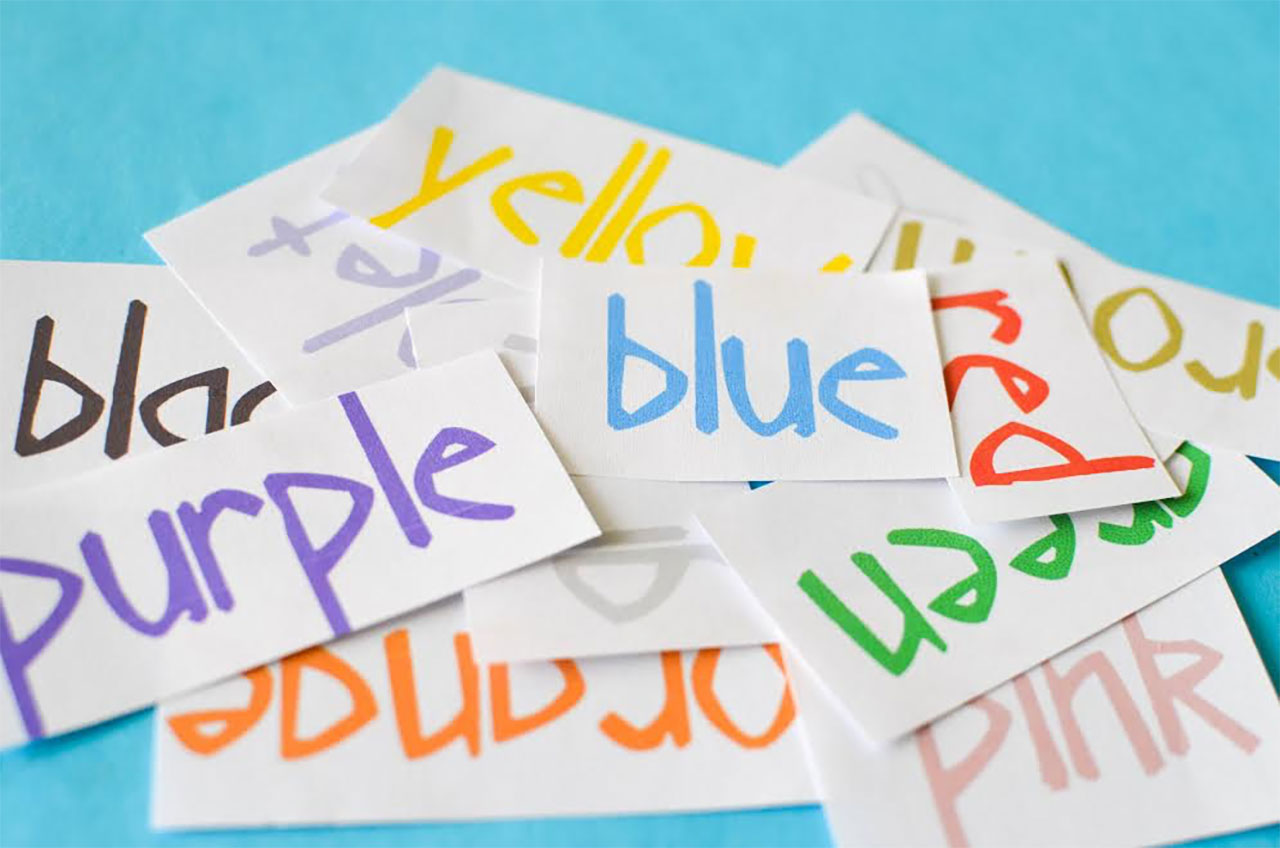
The lists above are a good starting point but you’ll soon think of more! Once your kids get the hang of making their own poetry they will want to start adding the words that they enjoy too.
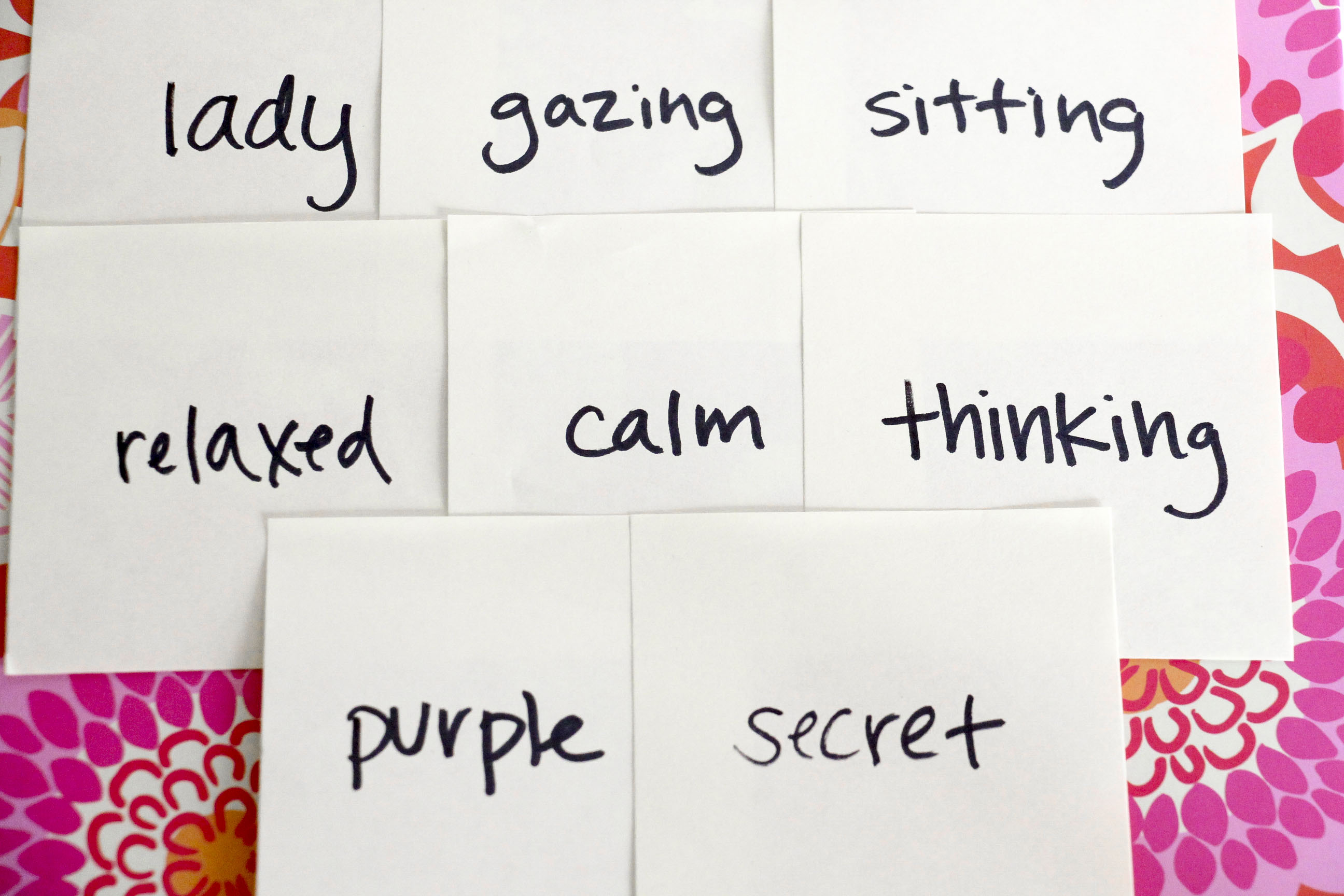
Cut the words up and mix them together. You could keep each category separate or mix them all in one big pile, it’s up to you. Tell each child to pick a certain amount of words (10-20) and them simply place them on a piece of paper in the order the come out in.
I would suggest that you set a limit for the length of each line, 5-8 words should be more than enough. That way your words will soon build to a stanza or verse. Once your words are organized you can stick them down, add to them, reuse them…it’s up to you!
If your child doesn’t like the order of the words and wants to rearrange them, that’s ok too! The point of the exercise is to inspire them and let their creativity take charge. As long as they are playing with words then the enterprise is a success.
Once your child has completed their poem, encourage them to add images and to play with adding colors to their work. It will help them to express the thoughts and feelings their poem has brought up for them. They could cut out images from magazines, draw their own pictures or simply color around the words that attract them the most.
I’m constantly amazed at the powerful impact the simple act of creating poetry can have on the young ones in our lives. Their capacity to embrace ideas that are different, or seemingly nonsensical, is what makes them natural artists, natural creators.
Don’t forget, this activity is also suitable for grown ups!
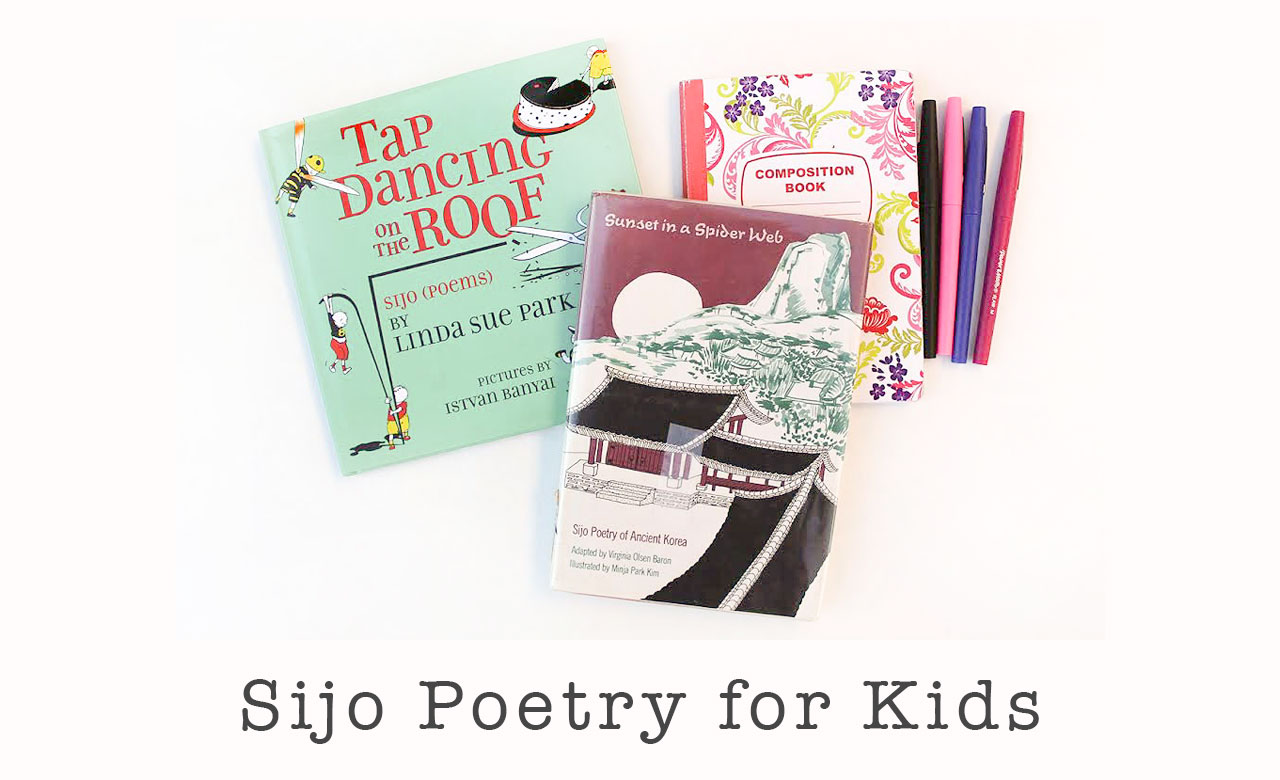 Once our children and students start to take an interest in writing poetry, we can introduce them to some of the different types of poetry. After exploring the format and syllabic structure of Haiku poem, students may take interest in writing an ancient Korean type of poem called the Sijo poem. Sijo poems also rely on a set number of stressed syllables but are a little longer in length than a Haiku poem. The fun and inviting thing about writing a Sijo poem is that each poem ends with a quirky ending such as a joke or a related twist.
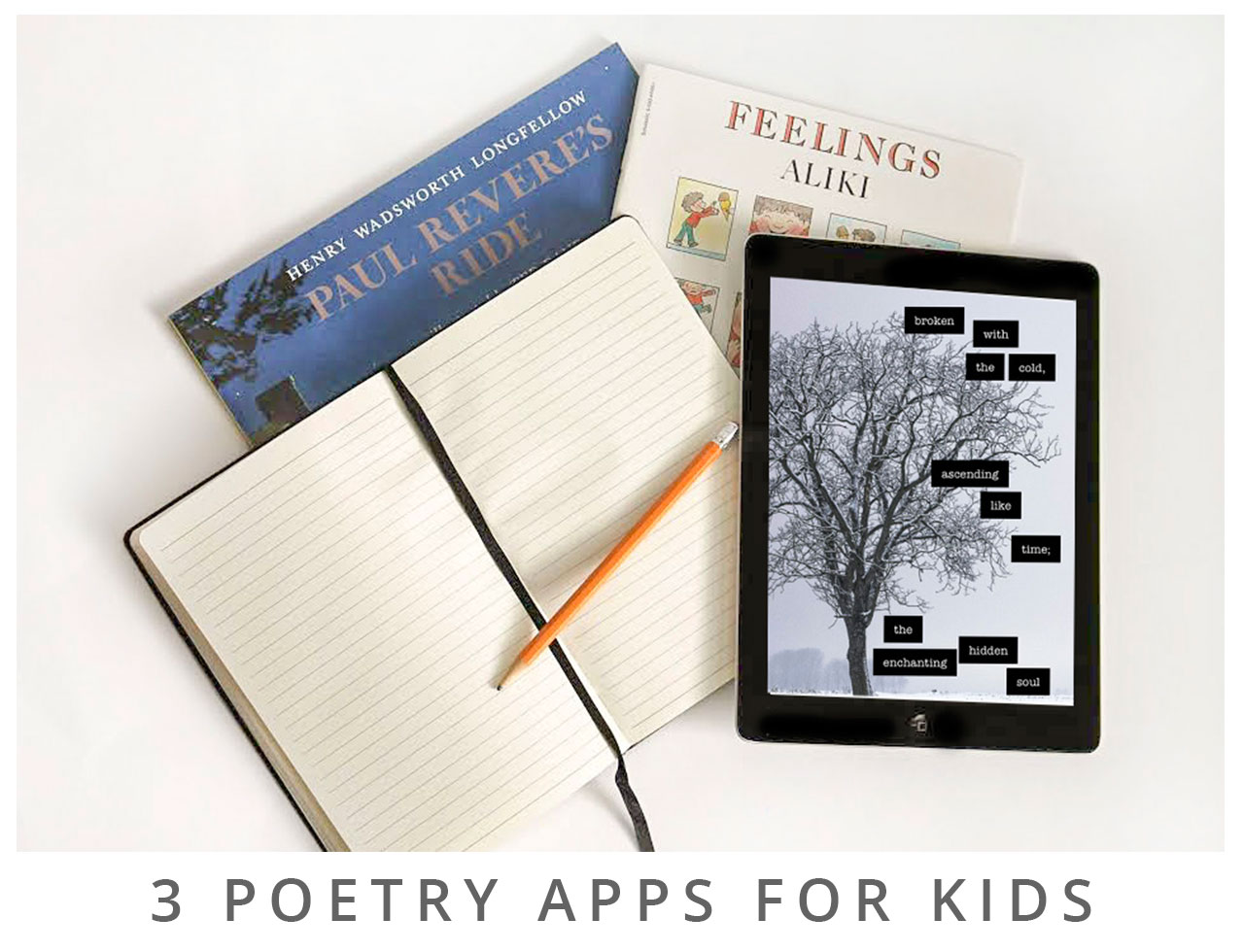 Rather than filling children’s minds with empty screen time, a key to the thoughtful use of technology is integrating it into everyday learning situations in a way that enhances activities. Since poetry is a very thoughtful form of writing, and April just happens to be National Poetry Month, let’s explore some apps that can engage children in poetry through the use of technology. All of these apps are free (hooray!), and each approaches poetry differently. “Appy” Poetry month!
 Write, peel, stick. Write, peel, stick. There’s something incredibly satisfying to me about jotting ideas down on Post-It notes, and I love using them as creativity tools in the art museum. Especially for those of us who feel more comfortable crafting with words rather than sketching lines and shapes, Post-it poetry is an easy way to help children look more closely and respond to works of art. All you need is a pad of sticky notes and a pencil!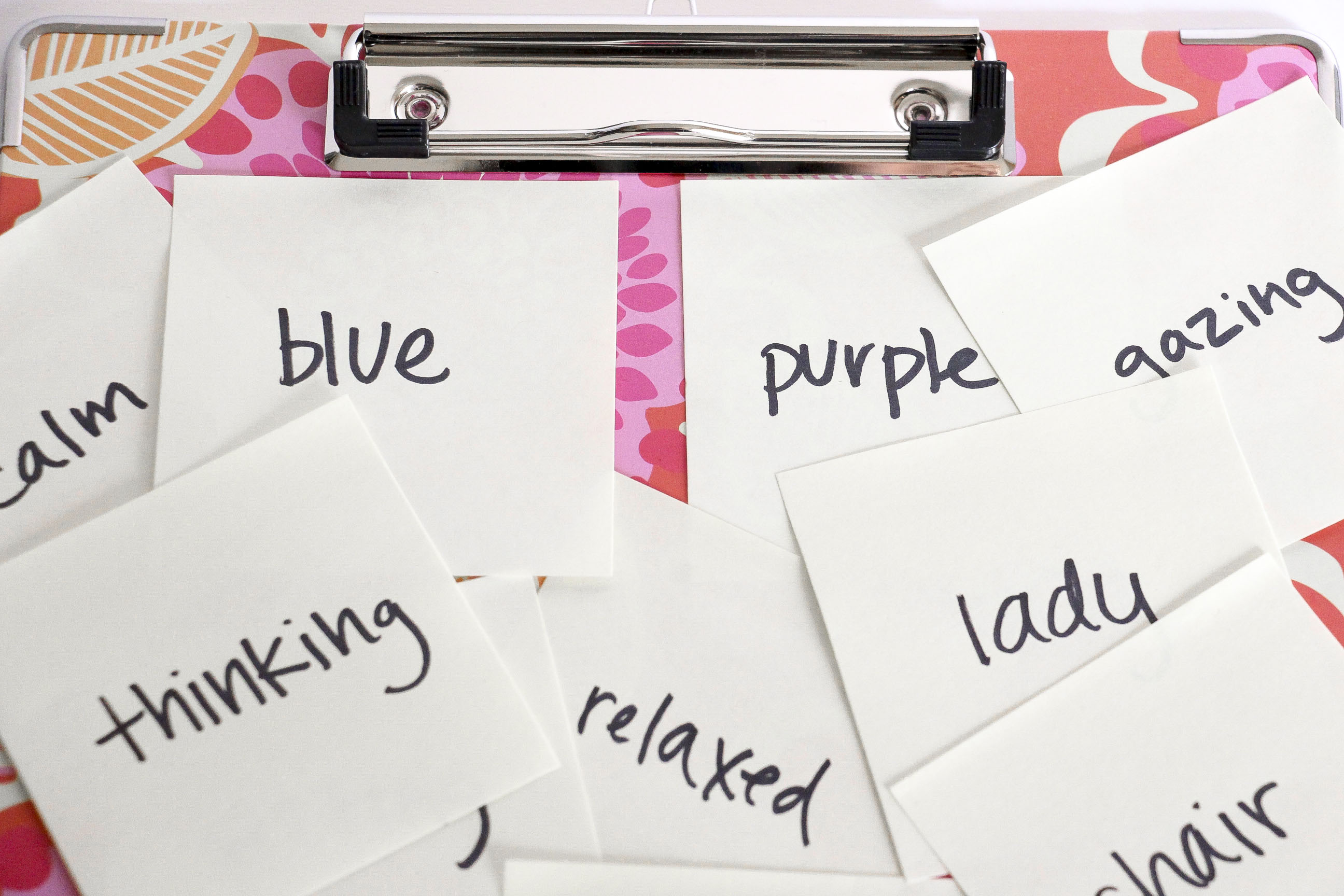
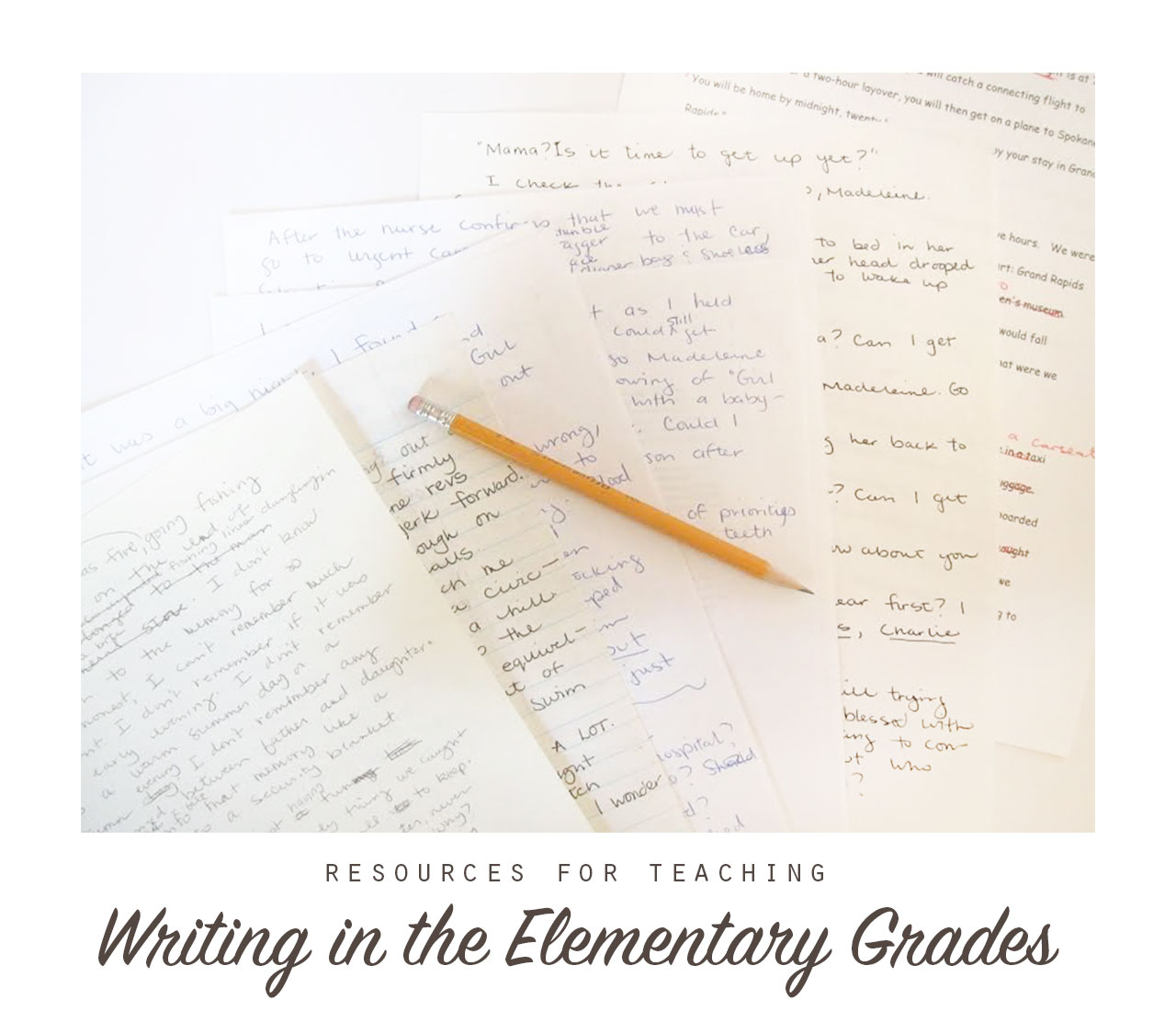 When I first became a teacher, I was not a writer. Sure, I wrote in school and I really enjoyed some of the writing I produced in college. But I was not a writer. I thought teaching writing could be summed up with the five-paragraph essay and acrostic poems. Thankfully, my first teaching mentor handed me a copy of Writing: Teachers and Children at Work. Through this book Donald Graves taught me the importance of writing with my students and recognizing them as young authors with stories to tell. His book became the cornerstone for my life as a writing teacher. If, like me, you do not see yourself as a writer, I invite you to read any one of the books listed below and see if you don’t fall in love with teaching writing.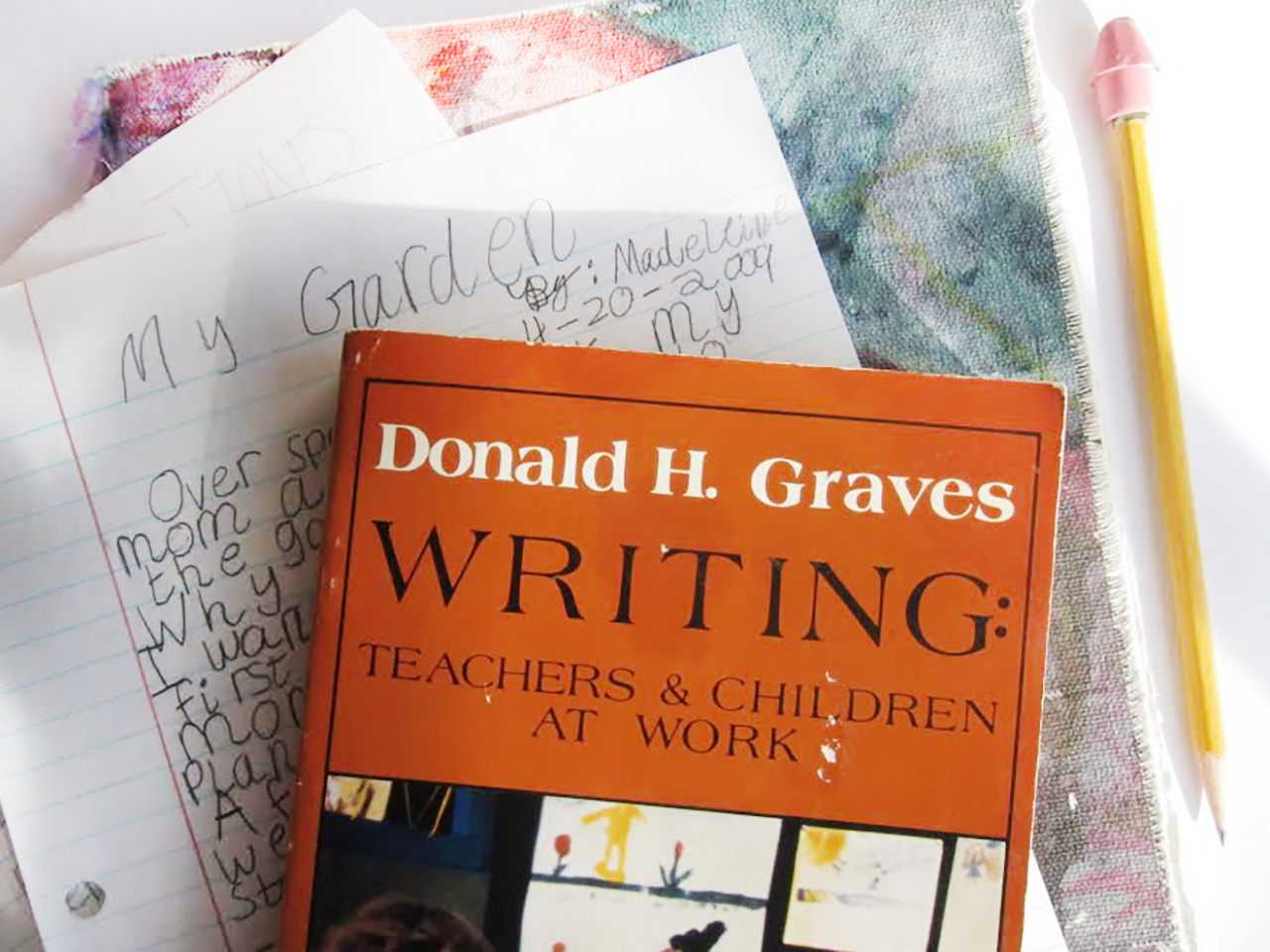
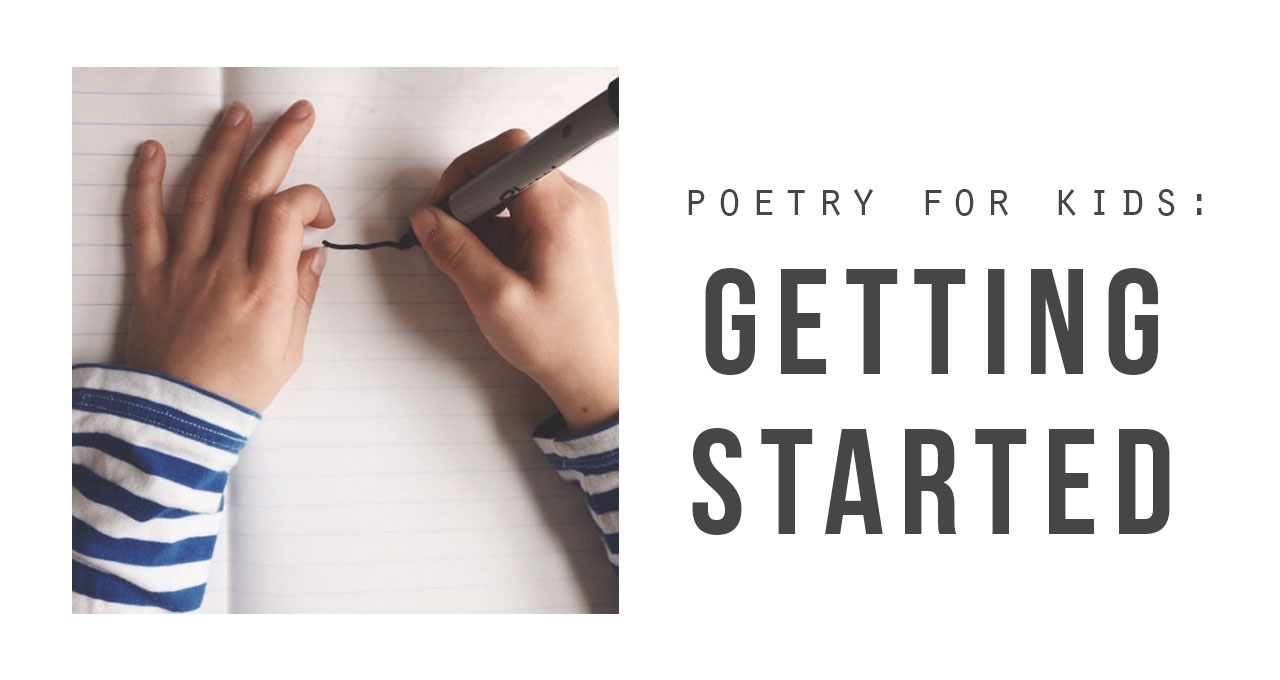 When writing poetry I find it is ideal to begin with a provocation. A provocation need not be a poem to copy but more so an experience that is relevant and real to the little ones involved. As part of my teaching practice I have spent large amounts of time looking closely at writing development and the focus I usually come back to is the notion of words. Poetry is about responding to a moment and capturing a time frame as you would with a short film or photograph. I encourage the children I work with, both at home and in a school environment, to capture the moment using as many senses as possible and to use hard working words.
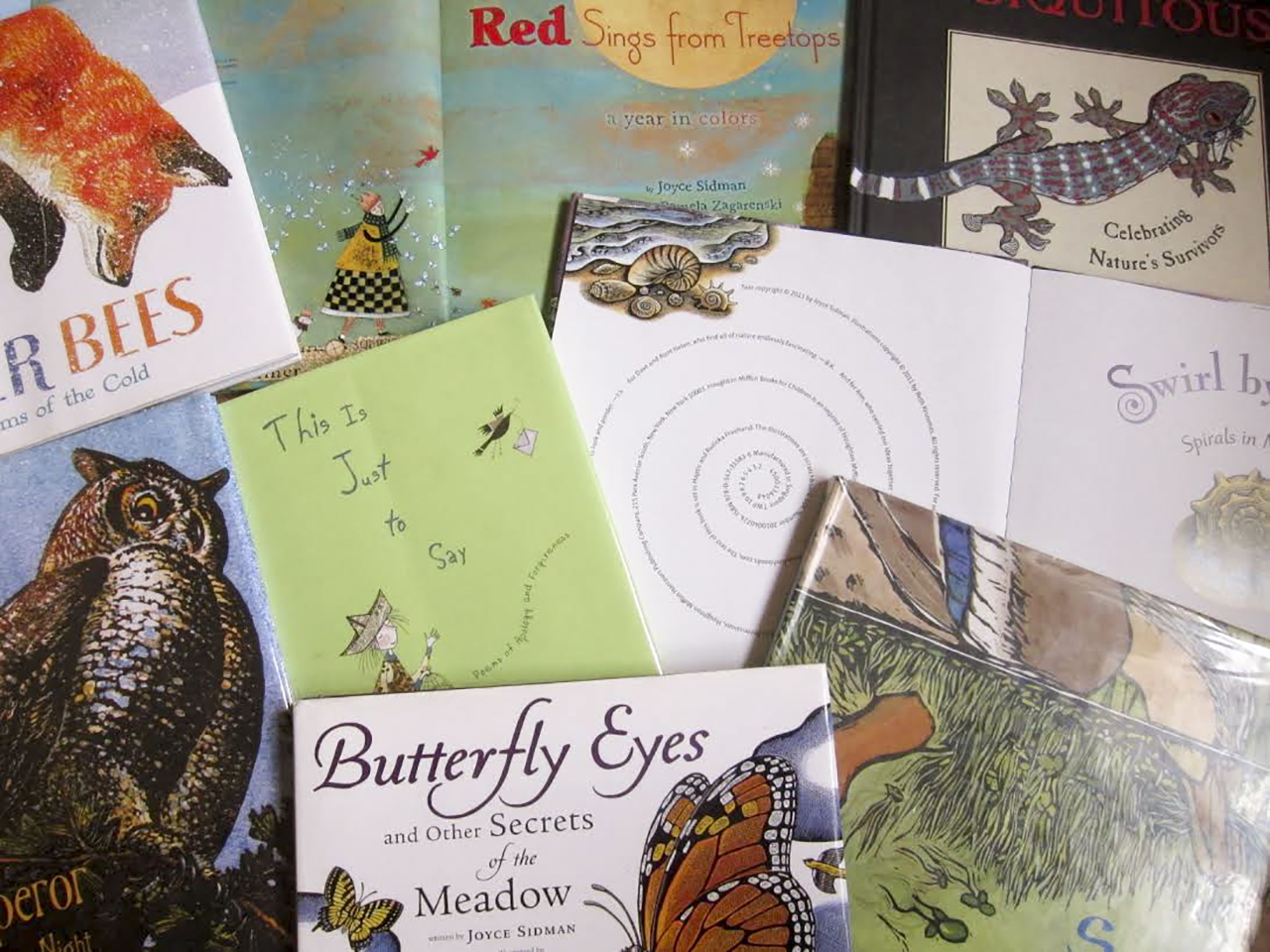
 As I sat down to compose a list of my favorite poets, I became aware that I read poetry like a writer, and I consider the young writers who might be inspired by these poets. We all know that children love rhyme, but it can be very difficult to write good rhymes. Also, sometimes children assume poetry has to rhyme or be about beautiful scenery. I love poetry that surprises children and helps them to see poetry in different ways. Here, you will find poems about safety pins, Mars, Iguanodons, and marshmallows. Some rhyme. Some don’t. Enjoy.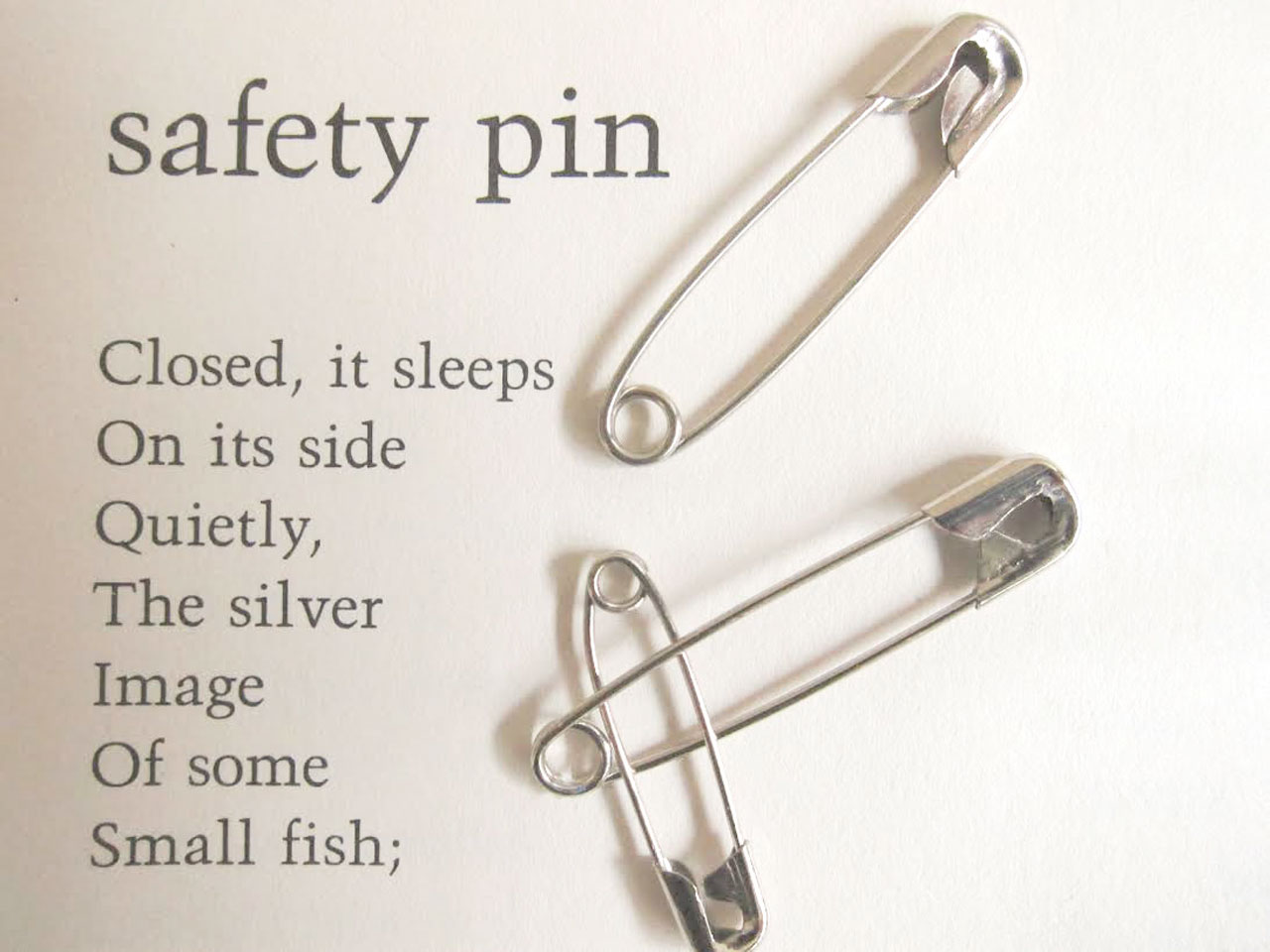
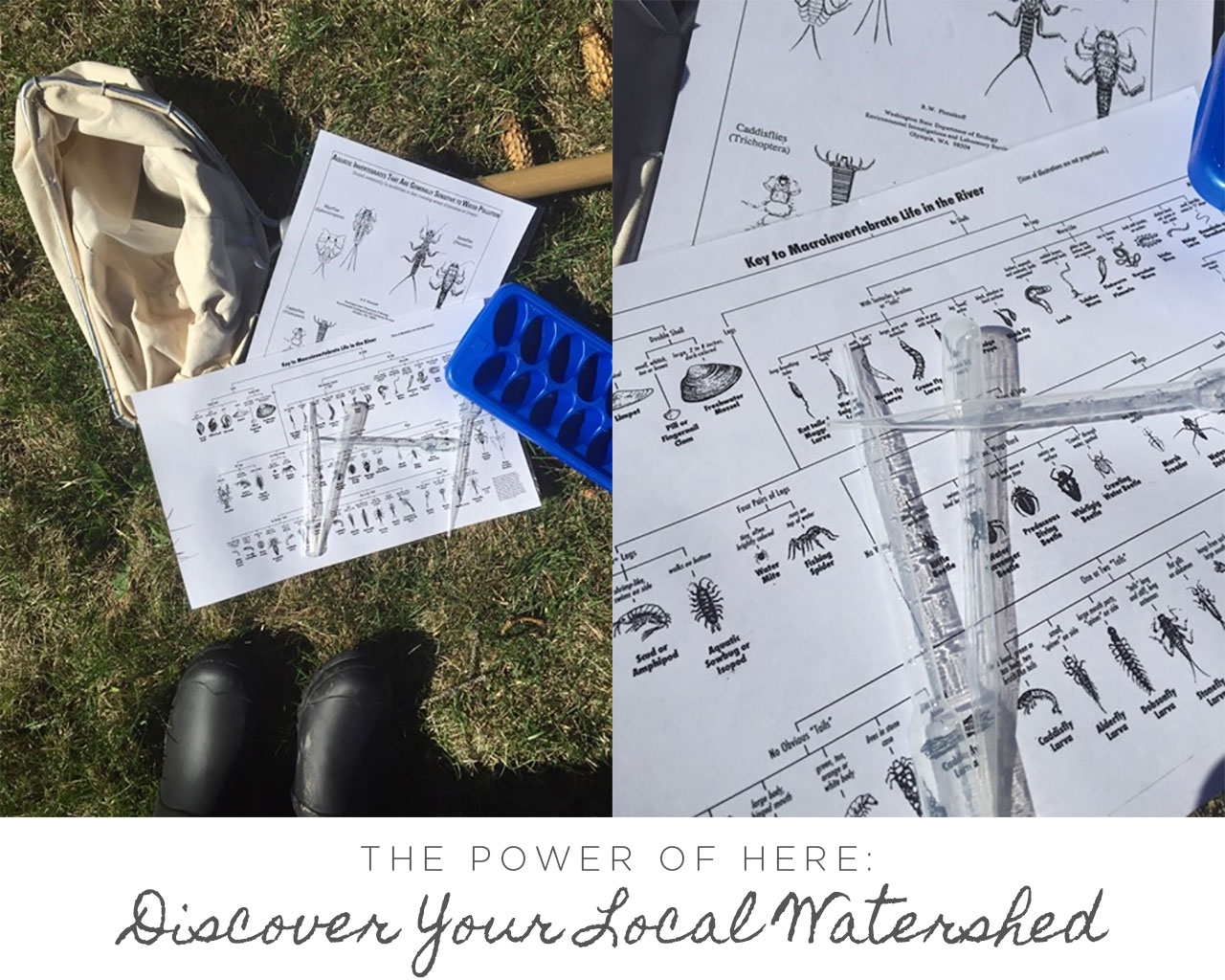 Place-based education has been around for quite some time. However, it is gaining momentum in the public education sector as educators have discovered the high levels of engagement and the inevitable adoption of The Next Generation Science Standards across states. The philosophy behind