Category: Seasonal


Holiday Book List: A Little Bit More
By Mariah Bruehl,

Holiday Book list: A Little Bit MoreWhen I originally decided to write a blog post about multicultural holidays and their shared message of peace and giving, I imagined myself surrounded by stacks of books, poring over them and selecting my favorites to share with you. As it turns out, the hardest part about writing this has been finding books.

Many of the religious holiday books told about traditions, food, or the candles, or why people fast, but didn’t share the spirit of the holiday.

So what I hope you will find here are books that invite a sense of awe at the beauty of the season, remind us we have so much to be grateful for, and reveal that we all want peace on earth. I have included books from different cultures, although not always holiday themed. I encourage you to share your favorite holiday books about peace and giving in the comments below.
Holiday Booklist: A Little Bit More

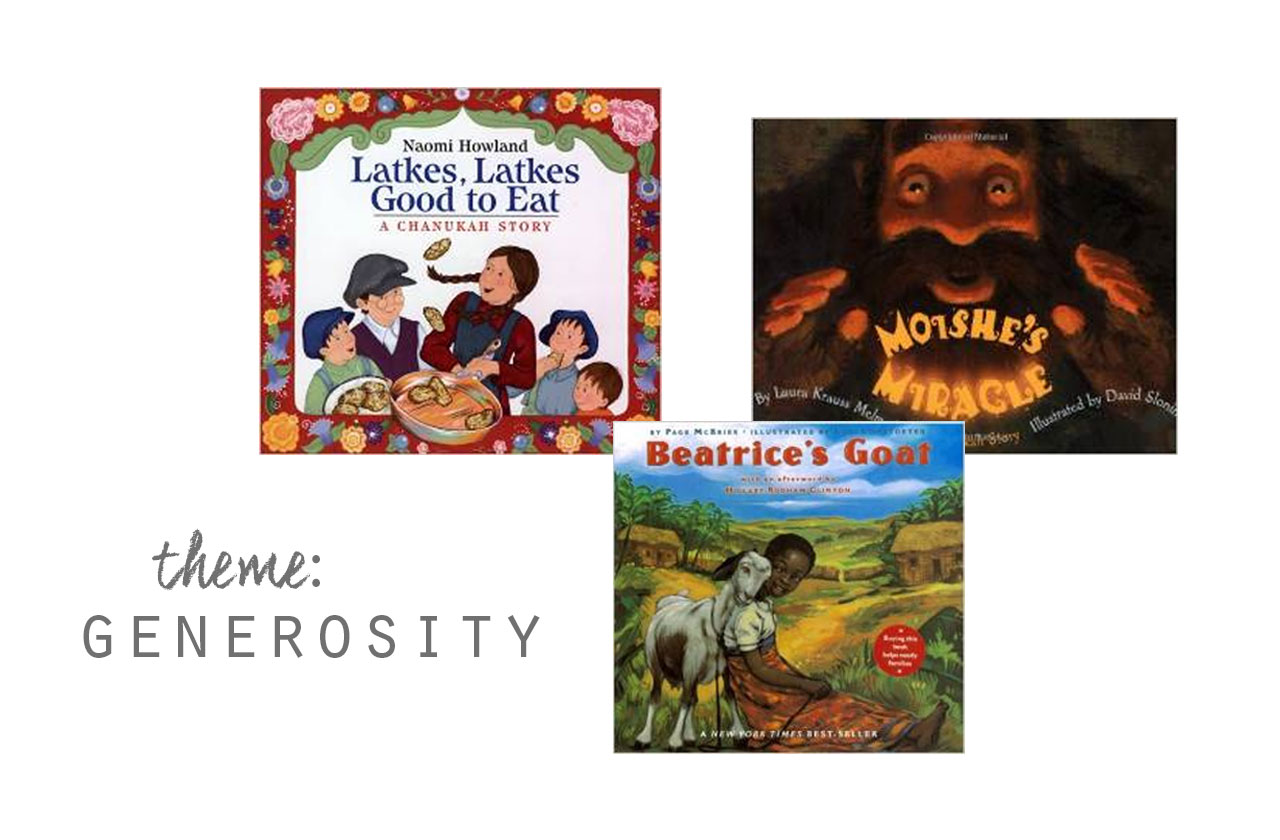
Books with Theme of Giving, Generosity:

Latkes, Latkes Good to Eat: A Chanukah Story, by Naomi Howland

Moishe’s Miracle: Hanukkah Story, by Laura Kraus Melmed, ill. by David Slonim

Both of these books are adapted from “The Magic Porridge Pot” by the Grimm Brothers. The first one is more appropriate for younger children, and the second one has eye-popping illustrations. These books could create an opportunity for a conversation about helping others and sharing what we have with those who need it.

Beatrice’s Goat by Page McBrier, illustrated by Lori Lohstoeter

This true story is about Beatrice and her family. Because of the gift of a goat, her family is able to sell the milk and raise enough money to send her to school. If you are looking for an opportunity to invite your children to give globally, this is a great story to show them how they can make a difference.
Holiday Booklist: A Little Bit More

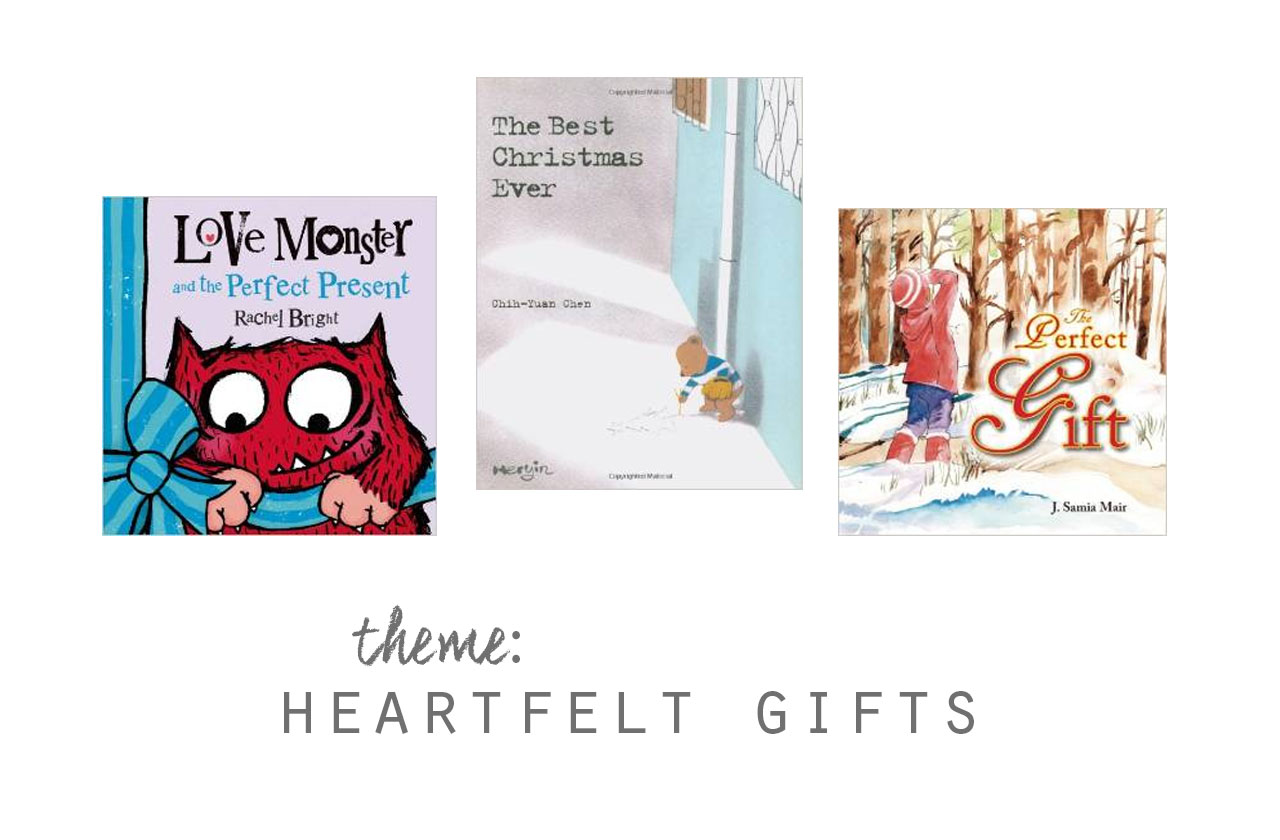
Books with Theme of Giving Heartfelt Gifts:

Love Monster and the Perfect Present, by Rachel Bright

I would have never picked this book up, but thankfully, a librarian recommended it. I love it. While there is no snow and it is not multicultural, it is universal. It is present day and Love Monster is lured in by the shops promising the perfect gift. We are reminded how easy it is to be caught up in the advertising and commercialism of the holidays. Since the stores don’t except lint and buttons as payment, Love Monster goes home empty-handed and very sad. In the end, he makes a present, telling his true love, “You are sunshine and stars to me.” Who wouldn’t love to receive that gift?

The Best Christmas Ever, by Chih-Yuan Chen

The story opens with the father bear being out of work and the family not having enough money for food. The words do not tell the whole story, but you will see clues in the pictures as to what is happening. In the end, there are gifts for everyone—lost hat, missing button, repaired kite, polished glove. The children notice footprints in the pretend snow around the tree. They wonder why they are so small. On the last page, the littlest member of the family is sitting on a chair and the bottoms of his feet are white. What a beautiful message about giving and noticing what might put a smile on someone’s face. It doesn’t have to be shiny and new but a simple act of thoughtfulness.

The Perfect Gift, by J. Samia Mair

This story takes place at Ramadan and Eid. It is the most religious of the books in this selection. A little girl wonders what to get her mother for Eid. Walking through the snowy woods, she discovers a lone flower. Its simplicity is perfect for this time of year. Why not have a walk through the woods or park and see what “gifts” you find?
Holiday Booklist: A Little Bit More

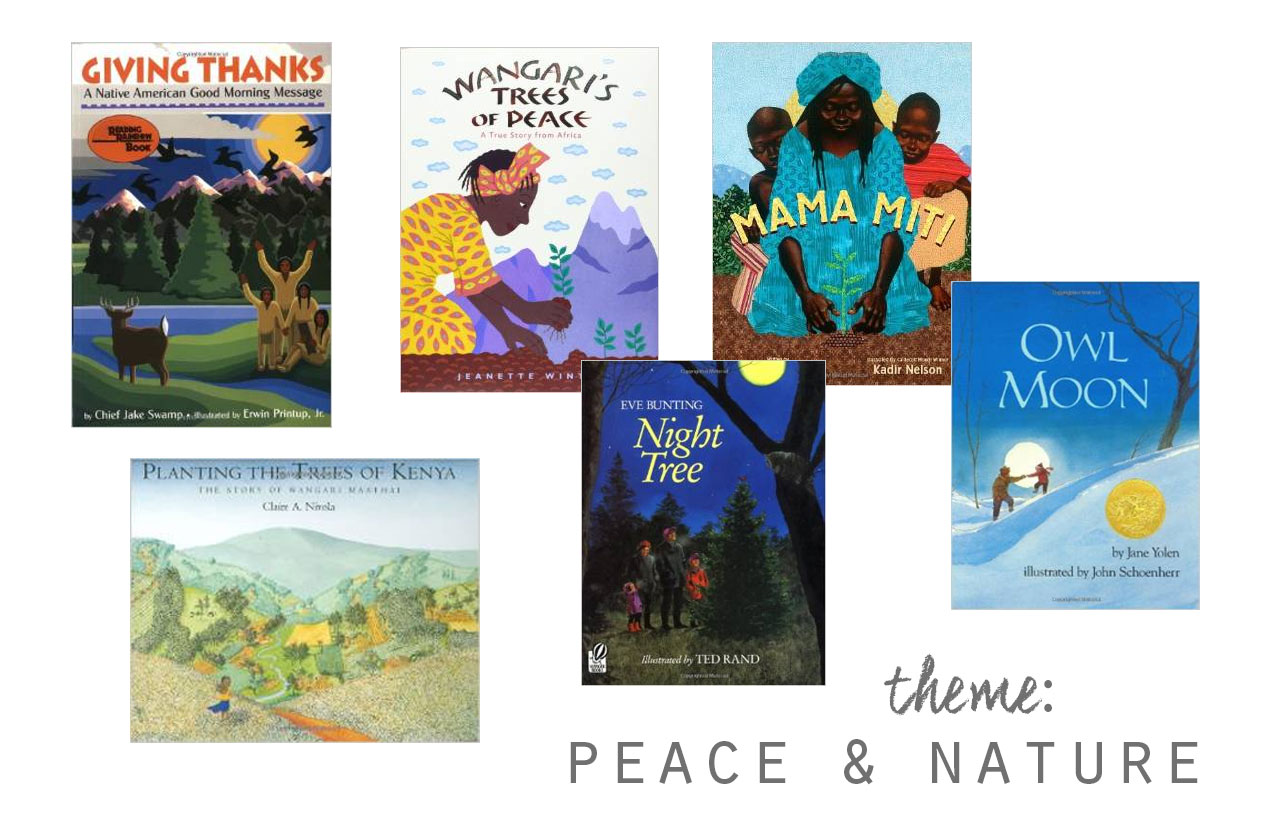
Books with Theme of Peace and Nature:

Giving Thanks: A Native American Good Morning Message, by Chief Jake Swamp, illustrated by Ervwin Printup, Jr.

OK, this is more appropriate for Thanksgiving, but with all of the excitement around presents, it is the perfect time to encourage discussions about the many wonders of the natural world to be grateful for.

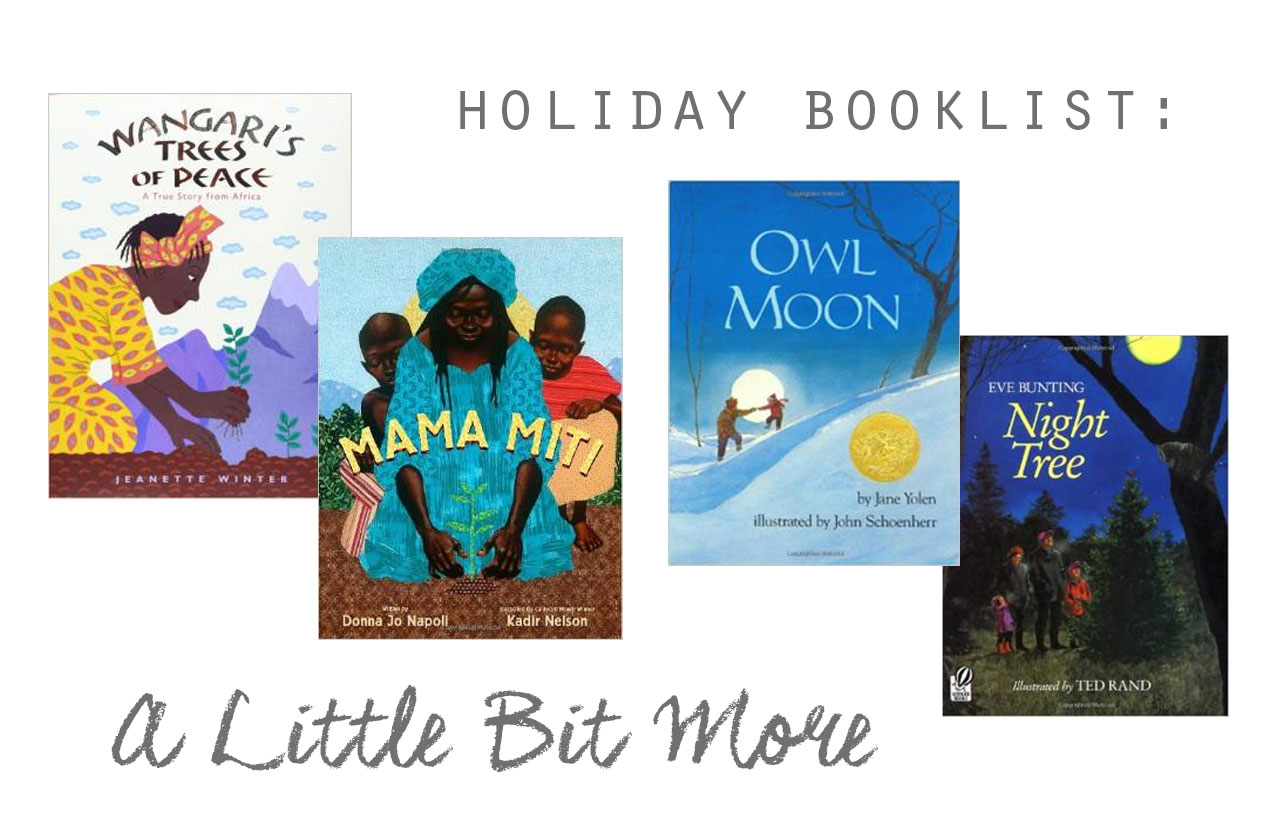
Wangari’s Trees of Peace: A True Story from Africa, by Jeanette Winter

Mama Miti, by Donna Jo Napoli, illustrated by Kadir Nelson

Planting the Trees of Kenya: The Story of Wangari Maathai, by Claire A. Nivola

These three books are about Wangari Maathai, who won the Nobel Peace Prize in 2004. I am including all three titles because I think they are appropriate for different ages. I am partial to Mama Miti because Kadir Nelson’s illustrations are gorgeous. While these books are not about holidays, they are about peace for each person, for nature and for a country.

Night Tree by Eve Bunting, illustrated by Ted Rand

This story is about a quiet family tradition of caring for nature. Every year on Christmas Eve the family drives to the edge of town where there is a copse of evergreens and decorate one with stringed popcorn, tangerines and apples for the wildlife. Year after year, they find the same tree to decorate so there is admiration for how the tree has grown over the year.   I love the oneness with nature and the quiet thrill of hoping to spot a deer or mouse nibbling on the treats. They also bring a blanket and sing carols, which probably spoils any chance of seeing a badger. Never mind.

Owl Moon by Jane Yolen

This is another book about peace with nature. I love the anticipation of seeing an owl in the woods. While this book is not a holiday book, I think this is the perfect time to get outside with our children. Nighttime is so magical and lights are such a focal point for the holidays. What better lights than the stars?

And of course, this list would not be complete without a reference to How the Grinch Stole Christmas, because we all need to be reminded that “Maybe Christmas (or Hanukkah, or Diwali, or Eid…) doesn’t come from a store. Maybe Christmas perhaps means a little bit more.”
Harvest Learning: Pumpkins, Gourds, and Squash

By Mariah Bruehl,

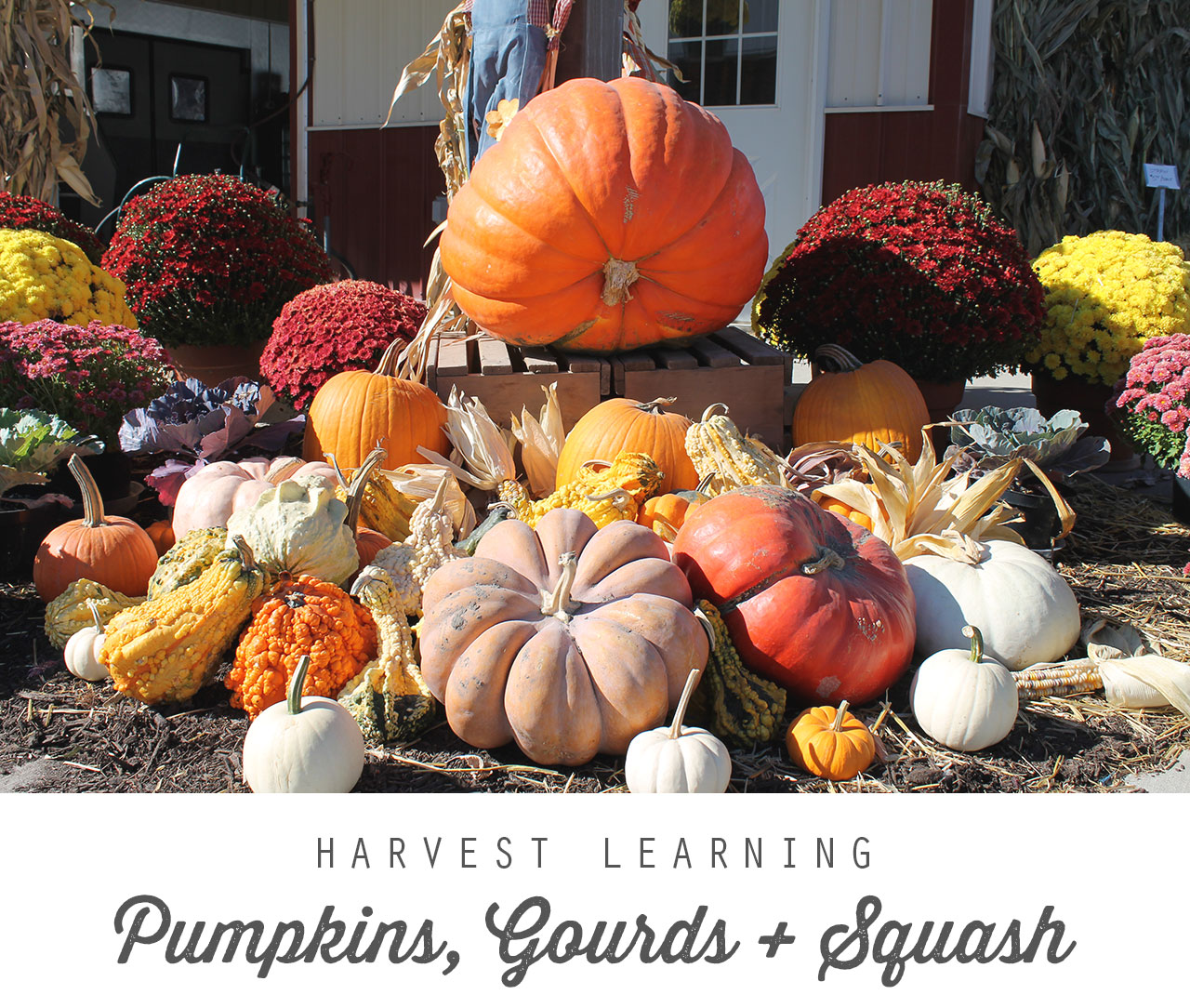
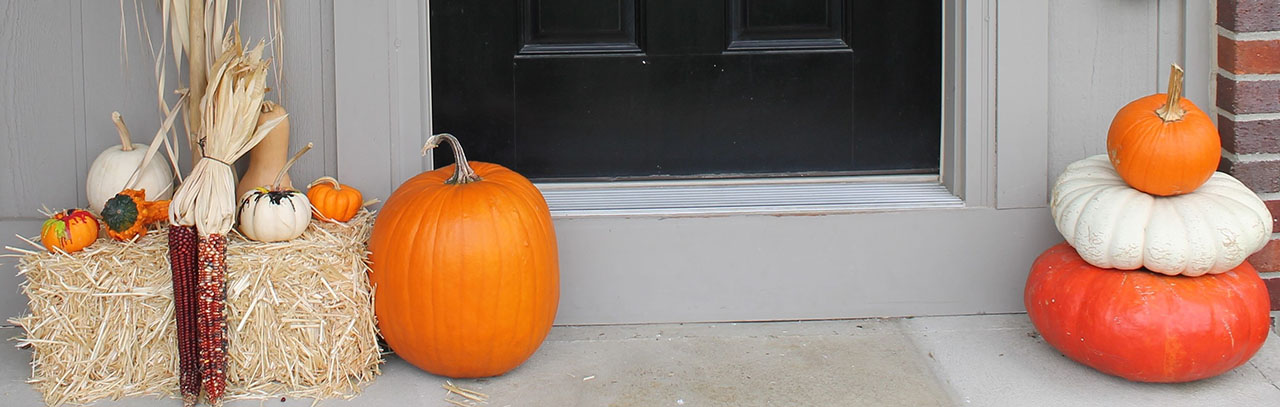
Harvest Learning: Pumpkins, Gourds, and SquashOne of my favorite fall activities is venturing with my daughter to the local farmer’s market to select natural autumn decorations for our porch. Each year, there is an abundance of beautiful produce perfect for our preparations. This year, I wondered if I could spin this plethora of products into a learning opportunity. The farm always seems to have such a wide variety of pumpkins, gourds, and squash, I decided to investigate what exactly makes them different. All of my searches kept coming back to “you carve pumpkins, you look at gourds, and you eat squash”. This did not seem terribly scientific, and as a lover of anything and everything pumpkin, I know I eat them too! Pumpkins, gourds, and squash all fall into the same scientific family (Cucurbitaceae). All of the glorious different plants you see at the farm come from the hundreds of different genus and species in this group. Finally, I was able to come up with an easier differentiation we could use to classify our haul of fall goodies, the stems! Pumpkin stems seem wooden, gourds have ridged stems, and squash stems are spongy. With so many colors, textures, shapes and sizes, pumpkins, gourds, and squash lend themselves easily to wonderful classification exercises, comparison and contrast activities, and descriptive words. Try some of these activities with your children after your next trip to the market!

  • Classify your fall objects as pumpkins, gourds, or squash
  • Make a Venn Diagram comparing pumpkins, gourds, and squash (see printable)
  • Make a chart to compare them. You could even take pictures of the items you purchase and glue them in the right spot! (see printable)
  • Sort the pumpkins, gourds, and squash by color, shape, or size
  • Brainstorm a list of words to describe them and try your hand at creative writing, maybe even a fall poem!
  • And, of course, decorating!

Harvest Learning: Pumpkins, Gourds, and Squash

Summer Acrostic Poetry

By Mariah Bruehl,

Summer Acrostic Poetry


This is a seasonal activity that I started when my kids were very young. The beauty of this particular style of poetry is that even young children can successfully compose a poem as they don’t need to know about proper grammar and sentence structure.


What is an acrostic poem?

An acrostic poem is a poem that uses the letters in the word to begin each line of the poem. The letters are written in capital letters down, rather than across, like this:

S –

U –

M –

M –

E –

R –


Each line of the poem must start with the capitalized letter, for instance:

S – sunny days

U – under the trees

M – making music,

M – milkshakes and memories

E – everyone together

R – refreshed and relaxed


Here are some easy tips for creating acrostic poems:

  • Have your child brainstorm some ideas (one or two words is fine) about what summer means to them or objects that remind them of summer.
  • Encourage your child to use their own handwriting and try not to jump in and correct their spelling as it adds to the charm of the finished poem!
  • Sign and date the poem on the back so that you can remember which child wrote it and when.
  • Have the entire family participate and read aloud each others poems.

Summer Acrostic Poetry


We like to do this activity at the beginning of every season but it could be done any time of year with any word that has meaning to your child. (Star Wars, Cupcakes, Grandma, Seashore, etc…)


It has been fun to look back on my children’s poems and remember what was most important to them at the time and how their thoughts, interpretations and spelling have matured over the years.


You are welcome to use my printable template here to get your child started or allow them to decide how they want to publish their poem – hand written, computer typed, with or without drawings, etc.

Summer Acrostic Poetry


Some links to websites that talk about acrostic poetry:


Some books about writing poems with children:


Storybooks about poets:


My favorite books of poetry when I was a little girl!

When we were very young / Now we are Six – A.A. Milne and Ernest H. Shepard


An Invitation to Learn About Birds

By Mariah Bruehl,

An Invitation to Learn About Birds

Today Emma from 95 Acres of Sky is with us to share some great resources and ideas for learning about birds with the little naturalists in our lives.

At this time of year, when winters grip finally seems behind us and the monochrome of winter is being replaced by full spring bloom, it seems like every moment not spent outside is a waste.  But sometimes, just sometimes, nature does not cooperate with our wishes and so we must compromise by learning about outside; just until we can head out again of course.

This year I’ve tried to incorporate more Reggio Emilia learning strategies into our family life, this is an educational model that encourages open ended learning opportunities for children.  It also encourages an inspiring environment that allows them to create and learn in a way that feels right to them.  A way of setting up this kind of activity (and something I learned here on the Playful Learning site) is to create an invitation to learn, an open ended activity with no particular goal in mind but a clear focus with limited materials.

An Invitation to Learn About Birds

Our house is full of books, both fiction and informative, but I rarely see the boys reach for one of them unless their interest is sparked first.  So by creating an invitation for them, I am drawing their attention to a specific subject but not telling them how they should interpret that information.  For me this approach blends beautifully the guidance that children need with the freedom to create that helps them thrive.

An Invitation to Learn About Birds

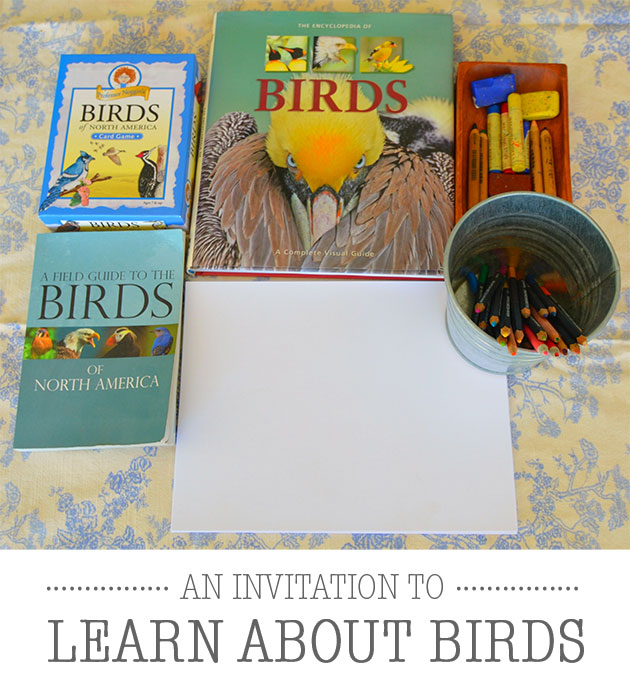
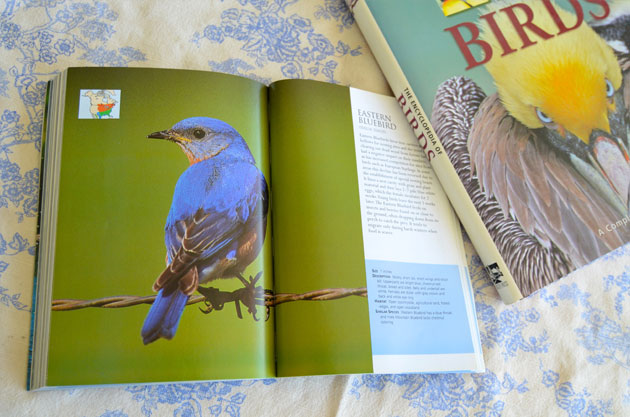
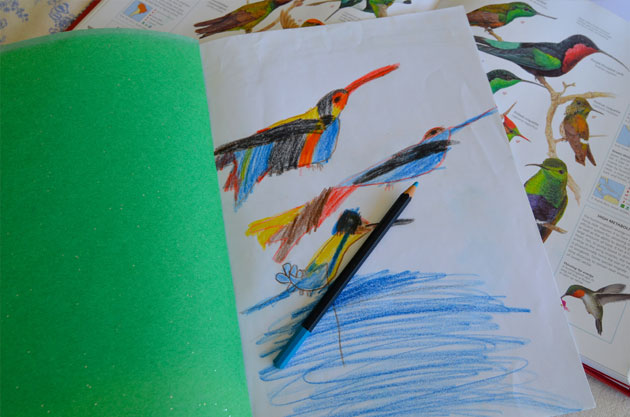
For this invitation I laid out two books about birds that we have on our nature shelf, a fun quiz game and some drawing materials; I placed age appropriate materials for both of the boys so that they could interpret at their own level.  I didn’t give them any guidance as to what they should do but allowed them to discover and be inspired.  And inspired they were!  My youngest son drew several pictures of birds and then used some miniature binoculars from our discovery basket to look for birds out of the window.   My eldest son (now 8) decided to create his own book of drawings based on the bird encyclopedia.

An Invitation to Learn About Birds

I was so excited with how well the boys reacted to this spontaneous (yet thought out) invitation, and there was much bird talk in the house for hours after the activity too.  My eldest son was so proud of the book he created he couldn’t wait to show it to Daddy as soon as he came home.  Though I had thought they might focus on the identification aspect of the bird books, instead they interpreted the material in an artistic way, my son using it as an opportunity to develop his drawing skills and engaging me in an art lesson of sorts.  It was lovely to support him as he strove to improve and refine his art work in a way I hadn’t seen before.

If you’d like to lay out a similar invitation for your children, here are some suggestions for what you might like to include:

  • For games like the one shown in our invitation look for Professor Noggin’s Bird’s of North America.  There are many other in the series covering all sorts of subjects and a great way to improve everyone’s knowledge.  There are easier and harder questions that allow younger children to enjoy too.  These Fundana games also look wonderful and is something I’m dying to try out this summer! Or this wooden matching game would be lovely for younger children.
  • And if you’d like to introduce a little technology, there are of course bird watching apps such as iBird Pro and the Peterson’s Birds field guide ,which is full of beautiful and inspiring illustrations that are sure to engage anyone’s imagination.


The great joy of this kind of learning is that it is only a jumping off point, the materials should be carefully chosen but don’t have to be new or expensive. A great field guide from the library and the art materials you already own will quickly become a gateway to a new learning adventure; and the fun thing is, you really don’t know where you’ll end up!


Dandelions: A Playful Activity For Bringing Them To Life

By Mariah Bruehl,

Dandelions: A Playful Activity For Bringing Them to Life

Monique of Green Acorns is with us today with to share some dandelion inspiration on this lovely spring day!

Dandelions – they seem to spring up overnight to decorate our yards with bright sunshiny-yellow polka dots.  They’re cheerful, hardy, and tenacious.  They provide magical experiences for many children who are amazed at how quickly they turn into puff balls and who find great amusement at blowing their seeds away and watching them head off on an adventure clinging to their tiny parachutes.

Recently while my children were happily playing with the dandelions strewn throughout our own yard, they were thrilled to find some who had put their “hats” on.  They excitedly called me over to see.  Hats?  My oldest daughter went on to tell a brief story about the dandelions not being too sure about how they feel about losing their golden color and turning white so they put hats on to hide the change taking place.  They then decide that they look just as beautiful and let their hats fall off to reveal their new look.

Dandelions: A Playful Activity For Bringing Them to Life

I loved this little story!

We went on to do a spontaneous dandelion study and recorded everything in our nature journals.  They are really fascinating plants and we all learned something new about them.  Did you know that the flower head is made of lots of individual florets, not just petals?  The “hats” are the florets that have gone by and closed up.  They eventually fall off to reveal the fuzzies.  Did you know that those white fuzzies are called pappi (plural form) from the Latin pappus meaning “old man”?  Makes sense.  And there are so many fun things that you can do with dandelions.  It occurred to me later that evening, however, that my daughter had opened the door to another engaging way to explore this flower.  By bringing it to life in a different way.  By personifying it.  What a fun twist to their playful learning experiences.

Dandelions: A Playful Activity For Bringing Them to Life

Here’s what we did:
After making and recording our observations of a dandelion, my children filled out a printable that I created (you can download it here).  They could choose to either place a sample of any part the plant in the detail box or draw a picture of it.  They then added as many adjectives and descriptive phrases about the detail as they could.  I encouraged them to use figurative as well as literal descriptions.  Next we read several story books about dandelions.  Here are some to check out:

  1. Dandelion Adventures by Patricia Kite
  2. The Dandelion’s Tale by Kevin Sheehan
  3. The Dandelion Seed by Joseph Anthony
  4. A Dandelion’s Life by John Himmelman
  5. Stars in the Grass by Mia Posada

After reading each one we pointed out and discussed the various examples of personification and simile.  The kids then brainstormed some of their own.  You could choose to stop here and have the children write a simple sentence or two using personification (“With all her petals reaching out like the rays of the sun, Miss Dandelion greeted me warmly”) or even a short poem like a haiku.  If your child would like to go on to write a short story, help him or her develop some personality traits and identify a dilemma to build on (seeds being nervous about where they’ll land, pointy leaves scaring off other plants, etc).  Then let their imaginations bring new life to the dandelion!

Dandelions: A Playful Activity For Bringing Them to Life

Note: This activity is most appropriate for 3rd graders and older.  My almost six-year-old was able to make comparisons with prompting and record a simple sentence.  She also enjoyed using these flower cut outs for some imaginative play – an engaging way for younger children to personify an object.

Meaningful Literacy: Vegetable Stones for the Kitchen Garden

By Mariah Bruehl,

Meaningful Literacy: Vegetable Stones for the Kitchen Garden

I think the dream to carve out a little spot in our yards to grow our own produce is a common one. Growing and nurturing something with our own hands has given our little family such a deep sense of joy and connectedness; to each other, to our food and to this space in our yard.

We started creating our first kitchen garden about three months ago. We still have a lot to learn about soil preparation, crop rotation and natural pest control but this space has provided such wonderful opportunities for learning for our children; we planted the seeds together, watched as they grew from seedlings into plants and eventually produced delicious vegetables…which almost always get picked by tiny helping hands and straight into little bellies. However my children are learning more than how to raise and nurture seeds, this kitchen garden is also providing opportunities for meaningful literacy.

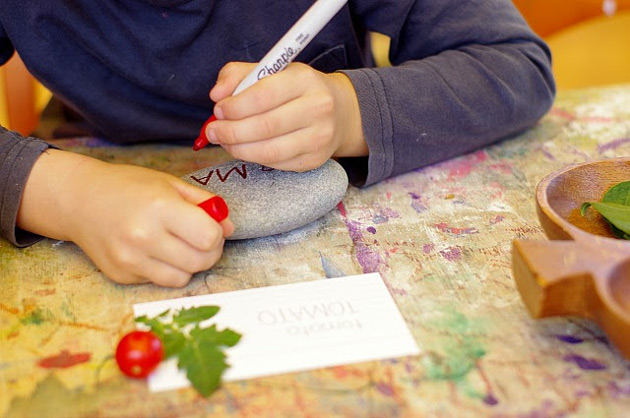
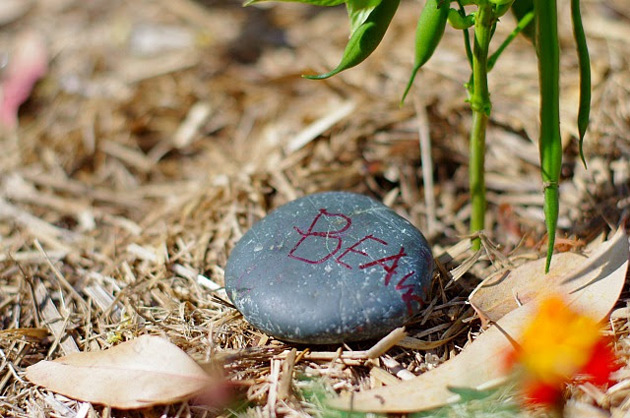
These little vegetable stones were an opportunity for my son Jack (5yrs) to write in a purposeful and meaningful way. These vegetable stones were for our garden; their garden.

Meaningful Literacy: Vegetable Stones for the Kitchen Garden

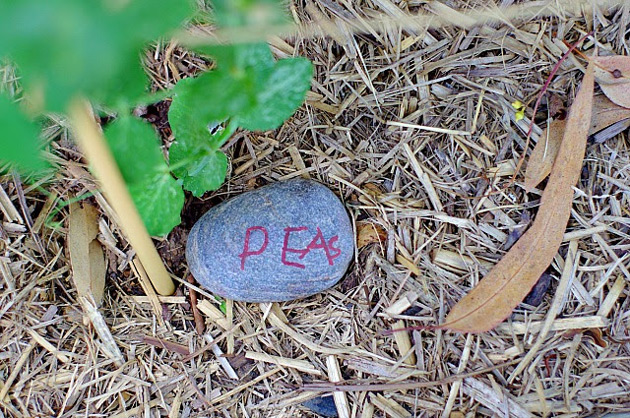
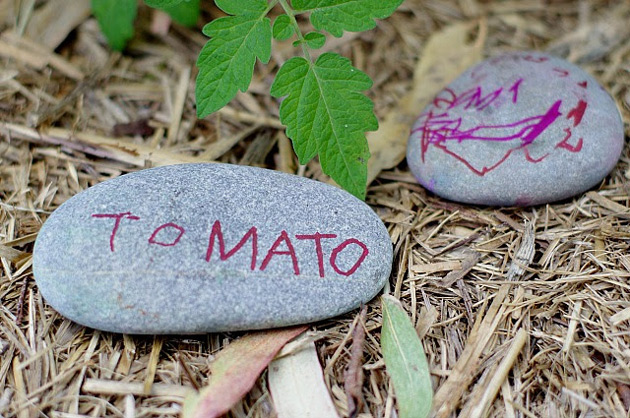
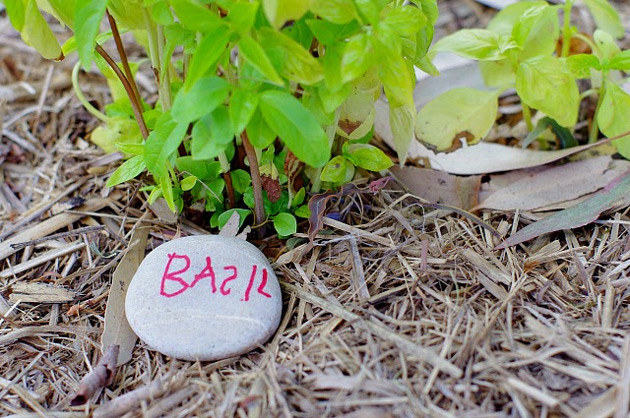
I collected small clippings from different plants for my son to identify and match to the word card which I had written in both lower-case and capital letters. He then used these word cards to create his vegetable markers using some beautifully smooth beach stones and a permanent marker.

Meaningful Literacy: Vegetable Stones for the Kitchen Garden Meaningful Literacy: Vegetable Stones for the Kitchen Garden Meaningful Literacy: Vegetable Stones for the Kitchen Garden

My children really enjoyed creating these stones for their vegetable garden. Over the next few days they added more stones under more plants.

Meaningful Literacy: Vegetable Stones for the Kitchen Garden

I think it is so important for children to have opportunities to read and write in meaningful ways; writing for a reason, reading to discover something, in this way we can help to nurture and preserve that innate drive to learn and help to keep learning connected to real life. Whether it’s by helping to write shopping lists, reading steps in a recipe, or creating vegetable markers from stones, we can gently encourage literacy by engaging our children in meaningful tasks which are relevant to our children’s lives.

More about our kitchen garden here, and our homeschool routine as well.


Ready For Spring: Garden Planning with Kids

By Mariah Bruehl,

Garden Planning with KidsHere in Central California, we have an early grow season and the perfect time to set your summer seeds indoors, or in a greenhouse is January and February.  Knowing how desperately my children wanted their own garden beds to tend to this past summer, I made a real effort to include them in the planning process.
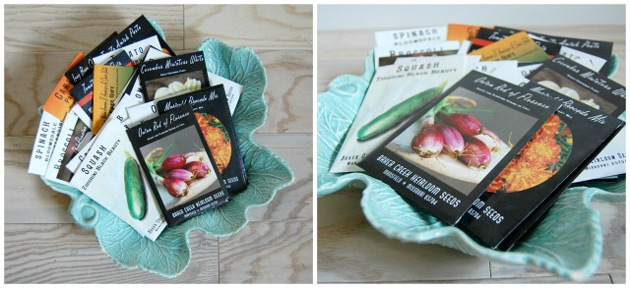
Here are some simple steps to creating a fun garden planning afternoon with your children.

1) Gather your resources.

Garden Planning with Kids

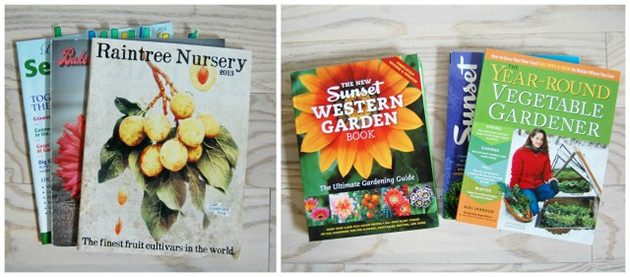
In our house we have an ever growing pile of gardening books, as well as piles of seed/nursery catalogs.  I found most of them at Library sales or online at Amazon (buy used for pennies and just pay for shipping).  Most seed and nursery companies will send you a free catalog if you subscribe to them online.

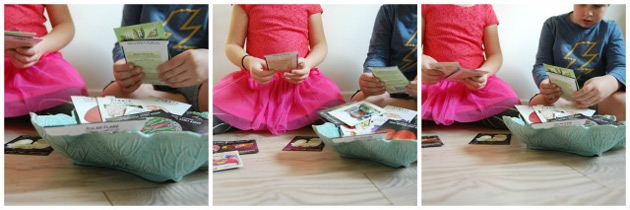
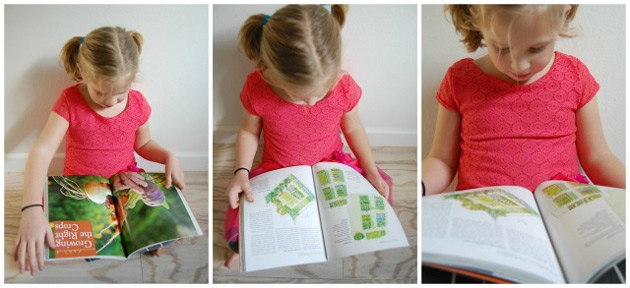
I had the kids sit and go through the books at their own pace over the course of our morning.  I loved seeing them sit side by side and point to the beautiful photographs and critique the delicately illustrated garden plans.  I realized my children were as intrigued by flowers as they were by edibles.  It made me realize I needed to plan a few more flower beds this spring.

Garden Planning with Kids

2) Seed Shopping

Garden Planning with Kids

Because of my penchant to seed hoard, I let the kids go through some of our seeds and choose four vegetables for their raised beds.  I then let them choose two companion flowers to plant alongside the veggies.  It was interesting to see which seeds were chosen by which child.  My daughter essentially wanted to know which plants made salsa and chose from there.  My son chose his favorite vegetable – lettuce.  And after that, it was just a matter picking a few plants that would complement his favorite tomato sauce.

Garden Planning with Kids

If you don’t already have a stash of seeds, this can be such a fun opportunity to go to your local garden center or nursery and seed shop.  Or you can do my favorite thing, and sit together and shop online.  Go here  for a wonderful list of seed companies.  We use Rare Seeds and LOVE all of their seeds and they have a very high germination rate.

And while we’re talking about trolling online and garden geekery, go to my gardening page on Pinterest.  My children love to just sit and scroll and exclaim and plan their fantasy gardens.  And if you really want to my your child’s day, go to Pinterest and search “fairy doors.”

3) Plan it out.

Garden Planning with Kids

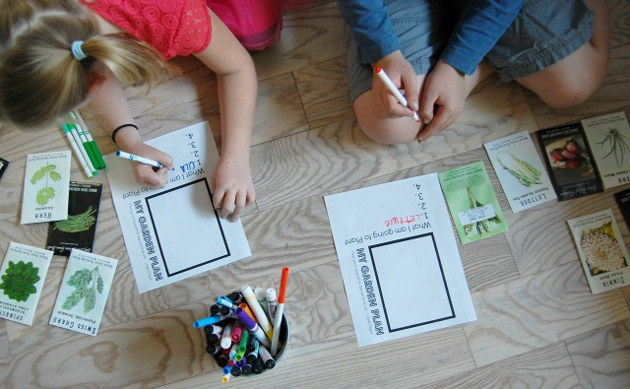
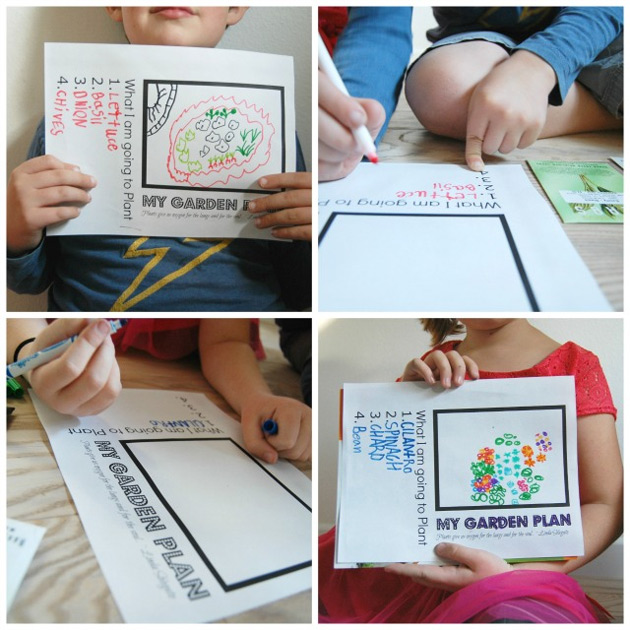
In that children are impetuous and impatient, I like to make them sit and really plan out any activity they are going to do.  This year I created a form to let them draw out how and what they wanted to plant in their individual raised beds.

I was amused to see how dedicated they were to their plans.  My son planned to have a circle of marigolds protecting his vegetable plants in the middle, while my daughter was much more invested in all the pretty flowers sprinkled amongst her veggies.

Garden Planning with Kids

The reason we let the kids have their own beds is that they want ownership in the endeavor of gardening.  Sure, they love picking tomatoes and peppers with me in the summer, but this year they’ve consistently repeated that they want to pick THEIR own tomatoes and peppers.  And I am willing to make the effort in order for them to realize that this garden with live or die based on their efforts and their efforts alone.

4) Garden Markers; a fun little project.

Garden Planning with Kids

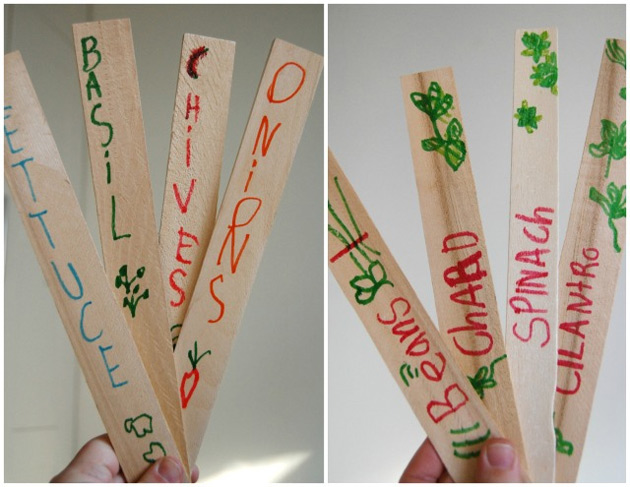
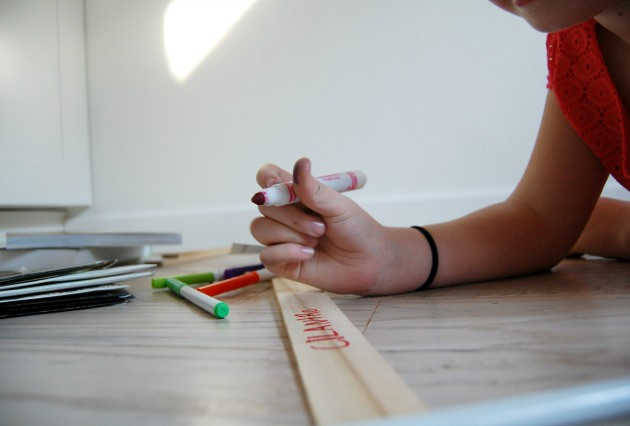
Because surface sowing boring old seeds in our milk jug greenhouses a couple of months before we start the garden can be a bit anti-climatic, I planned to have the kids make their very own garden markers for the four veggies they chose to grow.  I used what was on hand, markers, wedges and a few paint sticks and simply told.  Go here for a DIY garden marker inspiration.  There is a lot of potential for creative interpretation here and I would love to see what all of these amazing Playful Learning parents could come up with.

Garden Planning with Kids

While the years, the obligations and the general chaos of adulthood can seem to dull our senses and distract us, children are still fresh and open and drawn to nature.  They don’t see a beautiful sunset and sigh and talk about the beauty – they smile, their eyes flutter and they FEEL the beauty.  They feel this way about everything in nature, from ladybug to swiss chard.  Children also like to get dirty, really dirty.  Even the most hesitant child will eventually break through the fear of the unknown and relish the feel of the loose soil on their hands as they place their plants in the carefully dug holes.  Gardens grow food and beauty – and children love everything about them.  So, go and grow a pot of flowers together.  Grow a garden bed, plant an apple tree, grow a pot of flowers together, or go to a u-pick berry farm this summer…let your child participate in the miracle of growth.

Capture the Year with a Time Capsule + Printables

By Mariah Bruehl,

Capture the Year with a Time Capsule

Moving into the new year is always a little bitter sweet. While we are excited about what the future holds, as parents, we are aware of how fast time flies and how quickly our children are growing.

A wonderful way to capture the year is to create time capsules. They are a fun way to celebrate the past and make plans for the future as a family.

We have made time capsules a family tradition each year. It is also fun to supply the materials for all of the children if you are bringing in the new year with friends. They are super simple and can often be put together with items you already have around the house.

Time Capsule Printables

Materials:


After tucking away the capsule everyone will enjoy looking back at their thoughts, interests, and goals as they move into each new year!


Wishing all of you a wonderful 2015…


Making a Winter Solstice Tree

By Mariah Bruehl,

­­Making a Winter Solstice Tree

Today Emma from 95 Acres of Sky is with us to share a lovely way to welcome in winter and celebrate the solstice…

This week we will mark the winter solstice (Dec 21/22), which marks the beginning of deep winter and tells us that the time has come to turn inwards and rest.  Just as the sun begins his rebirth, so to do we, renewing ourselves each winter to be born again into the world in the spring.

This is one of my favorite festivals, whether shared with friends or with my own family alone, it is a time to recognize the cycle of the seasons and the role they play in our lives.  This year I wanted to include in our celebrations the wild creatures that we share our land with. I was inspired by reading the lovely book, The Night Tree in which a family go into the woods to decorate a tree with treats for the animals that live there.

We are fortunate that we don’t have to go far to find a tree to decorate, but even if you live in a town, you could hang decorations at a nearby park, on a bush or set out a dish on your windowsill,  the birds and squirrels will certainly thank you for it.


Making a Winter Solstice Tree


The way in which you decorate your tree is entirely up to you, there are lots of lovely choices.  You can use purchased bird treats but I think the process of making the treats makes the offerings more personal and meaningful.  Here are a few simple-to-make snacks that will be welcomed by your wild friends:

  • Popcorn strings.  Use plain popcorn for this rather than one with a coating, we make ours in a pan from popcorn kernels, it’s very fun!  Using a thick darning needle and some wool or embroidery thread string the kernels into a long garland, string around your tree for a festive feel.  See a lovely version here.
  • Natural bird feeders, these can be made with all sorts of things, apple rings, carrots or even pine cones coated in peanut butter and bird seeds.  There is a lovely tutorial here.
  • Suet feeders are the perfect food for foraging birds, it’s important to remember the birds are omnivores so, like us, they need fat to keep them warm and well in the cold months.  Vegetarians can make their feeders out of coconut oil!  Here are some great links for bird treat recipes here.
  • As well as leaving treats out for our feathered friends, it is lovely to scatter a few on the ground for those without wings.  Pieces of carrot, nuts and berries will be a welcome addition to creatures heading into hibernation and, in my experience, nothing will bring the deer coming to call quite like pieces of pumpkin!


Making a Winter Solstice Tree


So this solstice get outside and enjoy the wonders of the year’s shortest day and share the blessings of your larder with your wild neighbors.  Happy Solstice and a Happy Yuletide!


Picture Book Advent Calendar

By Mariah Bruehl,

Picture Book Advent Calendar

Rebecca from Thirteen Red Shoes is with us today to share some lovely tips for sharing a picture book advent with your family this holiday season.

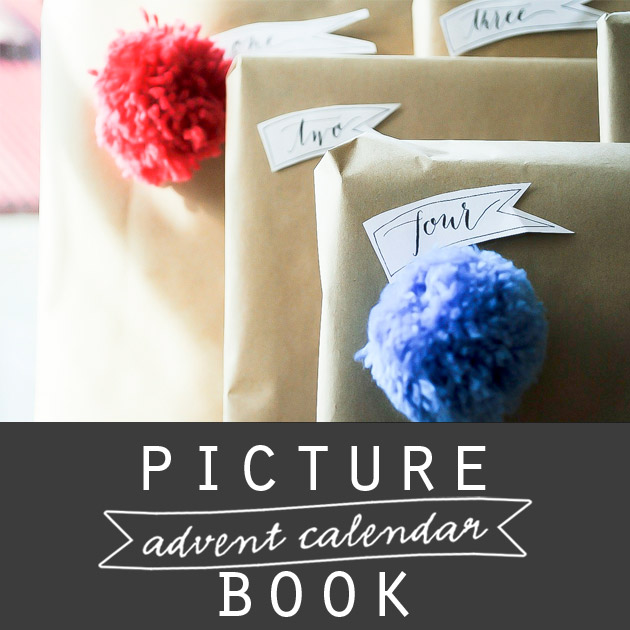
We have a family tradition: each day of advent the little ones get a picture book.  It is the only advent calendar we have in our home, so no little lolly delights or small toys, simply a new picture book to open.  I know that this is extravagant, but it is where we choose to spend our money.  I am such a huge believer and lover of children’s literature, that I budget this in every year. Instead of buying them all at once, I buy the books gradually throughout the year.

The books are wrapped and gathered on the mantle in our lounge room. Each night of December, once the littles are bathed and in their pajamas, we select a new book to unwrap and gather on the lounge to share. In the past, my book collection has included fiction, non-fiction, picture books, chapter books, as well as a few audio books.  The variety makes it even more exciting.

If you are like me and you store Christmas books away from January to November, you can wrap them up and add few newly acquired titles to create your own book themed advent calendar.  Picture Book Advent Calendar

There are so many delightful titles on the market!

Here is my most recent list of our favorite holiday books.

And for added inspiration, here are a few of our favorite authors:

Here a some other delightful ideas for advent: