Category: Book Love


Lessons From the 100 Acre Wood
By Mariah Bruehl,

Lessons From the 100 Acre Wood

0ne / two

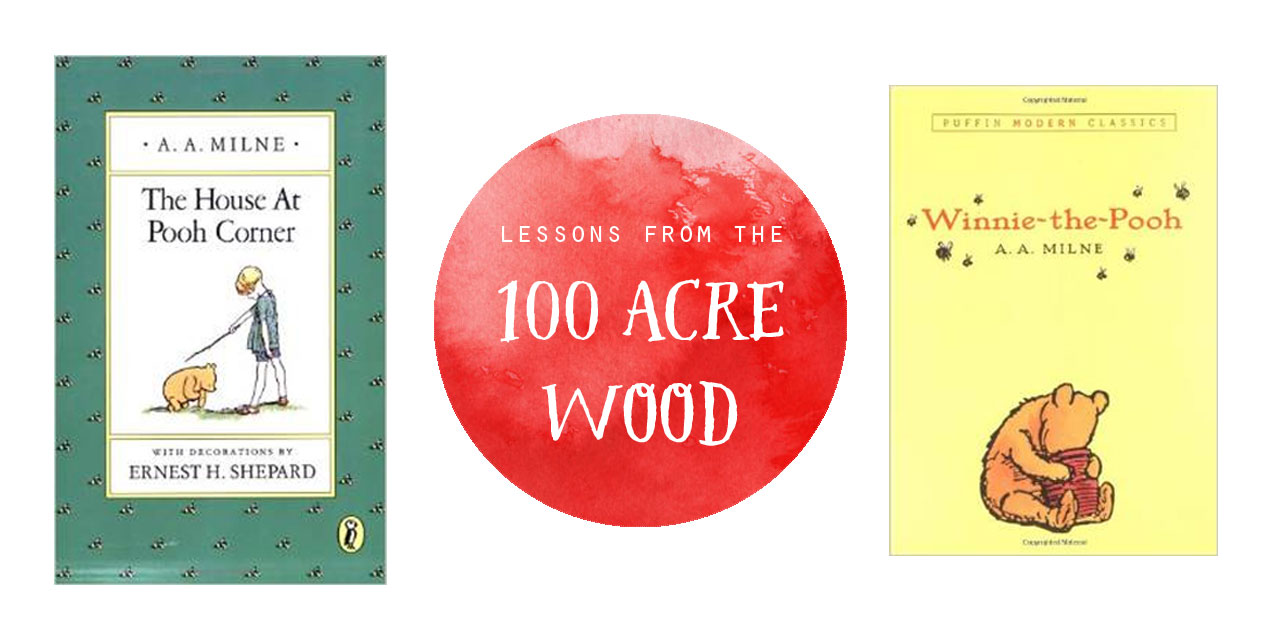
I just recently finished reading A.A. Milne’s Winnie-the-Pooh and The House at Pooh Corner to a class of second and third graders. I am embarrassed to admit that at first I was hesitant in using these books as a classroom read aloud. I mistakenly assumed that a group of 7-9 year olds would find Pooh and his friends to be childish and infantile. I had no idea how immersed they would become in these characters and how much they would come to adore Pooh and his friends (especially Eeyore). They begged me to read every day. They drew picture after picture, usually at home, of each and every character and laid them on my desk. One child started a “Winnie the Pooh Club” in the classroom. We had a Pooh Fest the day before my students left for winter break.


We all fell in love (or fell in love again) with this Bear of Very Little Brain, and I believe we are all a little better and wiser for having experienced the story together. We learned so many things from Pooh and his friends in the Hundred Acre Wood.


I strongly recommend that you find time to share these books with your own children. Sharing stories together is a powerful way to make meaning of a text, and these particular stories make an excellent springboard for some honest and reflective conversations.


Below are 4 lessons I think we can all learn from life in the Hundred Acre Wood, along with some questions and quotes to ponder as you share the stories together.


1. Be brave and believe in yourself.

One could say that Pooh’s best friend, Piglet, is not very brave. He wants the world to believe he’s brave, and he usually does a great job at looking brave, but on the inside Piglet is often scared. The irony is that Piglet ends up being perhaps the bravest of all the friends in the Hundred Acre Wood because he believes in himself. He actually talks himself into being brave, and when he does, he ends up doing more great (and brave) things.


As you read, think about these questions:

  • What do you think it means to be brave?
  • Has there ever been a time when you’ve felt brave? How did it feel?
  • Has there ever been a time when you’ve felt less than brave? How did that feel?
  • The next time you are feeling less than brave, what could you do? Create a plan or a mantra for yourself. (A mantra is a word or phrase that can be repeated when you need to calm down or think before you act or speak.)


“There is something you must always remember. You are braver than you believe, stronger than you seem, and smarter than you think.”

~ Christopher Robin


2. Be a good friend to others.

Pooh teaches us that being a good friend means you are there in good times AND in bad times. It means you always have someone to lean on, to share your thoughts with, to join you on adventures, or to help you find your tail when it’s missing.


As you read, think about these questions:

  • What qualities do you look for in a friend?
  • What qualities do you have that makes you a good friend?
  • What do you think you could do to be an even better friend? Think of one thoughtful thing you can do for a friend and then do it!


“We’ll be Friends Forever, won’t we, Pooh?’ asked Piglet. ‘Even longer,’ Pooh answered.”

~Pooh and Piglet


“Any day spent with you is my favorite day. So today is my new favorite day.”

~ Pooh


3. Take time to get to know people and embrace their inner beauty.

When Kanga and Roo arrive in the Hundred Acre Wood, the friends are worried about these newcomers (even a little prejudiced against these unknown animals who [gasp] carry their children around in pockets). After Piglet tells his friends that Christopher Robin claims Kanga is One of the Fiercer Animals, Rabbit concocts a plan to kidnap Roo. Kanga thwarts the plan and the friends realize that there is much more to these Fiercer Animals than meets the eye. Yes, they are different but Kanga is smart as a whip, gentle, nurturing and motherly while Roo is adventurous and enthusiastic about everything. The friends find that these qualities make wonderful additions to the Hundred Acre Wood family.


As you read, think about these questions:

  • What words would you use to describe your inner beauty? Click here for an extensive list of character traits.
  • How are you different from people in your family or within your group of friends? How do these differences enhance your family structure or your group of friends?
  • Take time to get to know someone new. Make a list of his/her unique qualities or character traits and embrace their inner beauty!


“The things that make me different are the things that make me.”

~ Piglet


4. Go out of your way to be kind to others.

When I think of being kind, I immediately think of Eeyore. Eeyore needs a little kindness in his gloomy life, and his friends in the Hundred Acre Wood are often found trying to spread kindness in his direction. In The House at Pooh Corner, Pooh and Piglet come to realize that Eeyore does not have a house like the rest of their friends. He has always just lived in the Gloomy Place. So they decide to build Eeyore his very own house out of sticks. So what if Eeyore had already built himself a house that Pooh and Piglet mistakenly disassembled, and then they used those very same sticks to build him a new house? In the end we learn that it’s truly the thought that counts!


As you read, think about these questions:

  • How have you shown kindness to others? How did this make you feel?
  • How have others shown you kindness? How did this make you feel?
  • Make a plan to spread a little more kindness in your world. What could you do to be kind to someone else? How can you show more kindness in your family?


“A little consideration, a little thought for others, makes all the difference.”

~ Eeyore


What other life lessons have you and your children learned from Winnie the Pooh and his friends? I’d love to hear your thoughts!
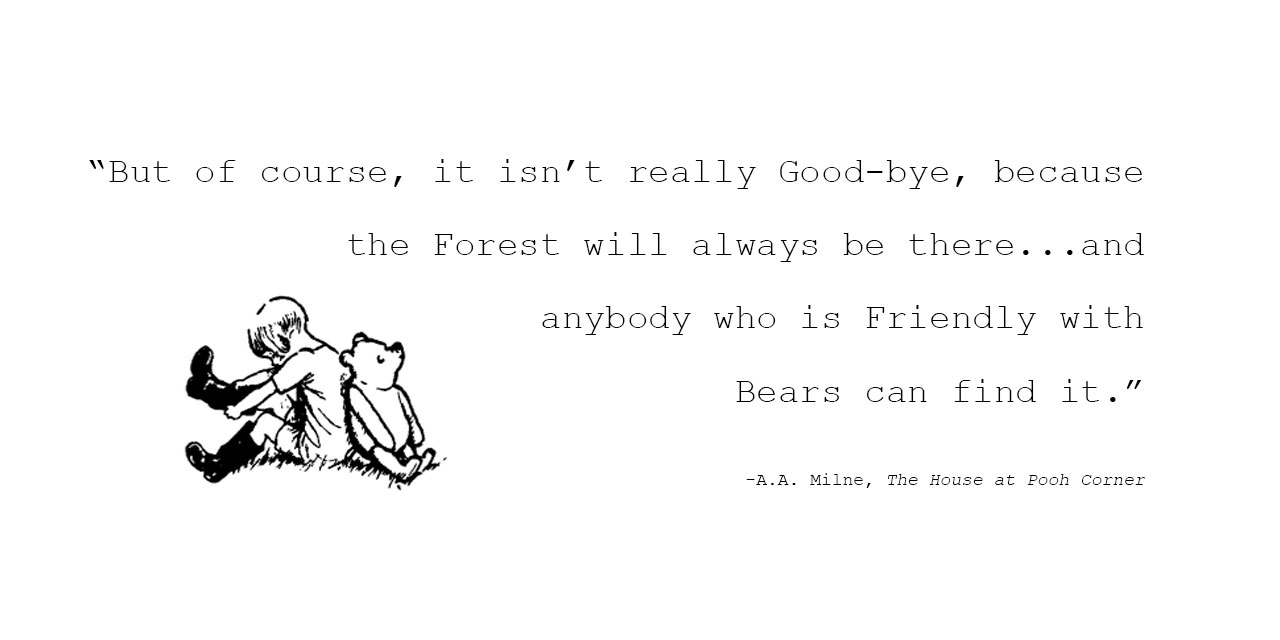
Lessons From the 100 Acre WoodOriginal art work by E.H. Shepard, Winnie-the-Pooh by A.A. Milne
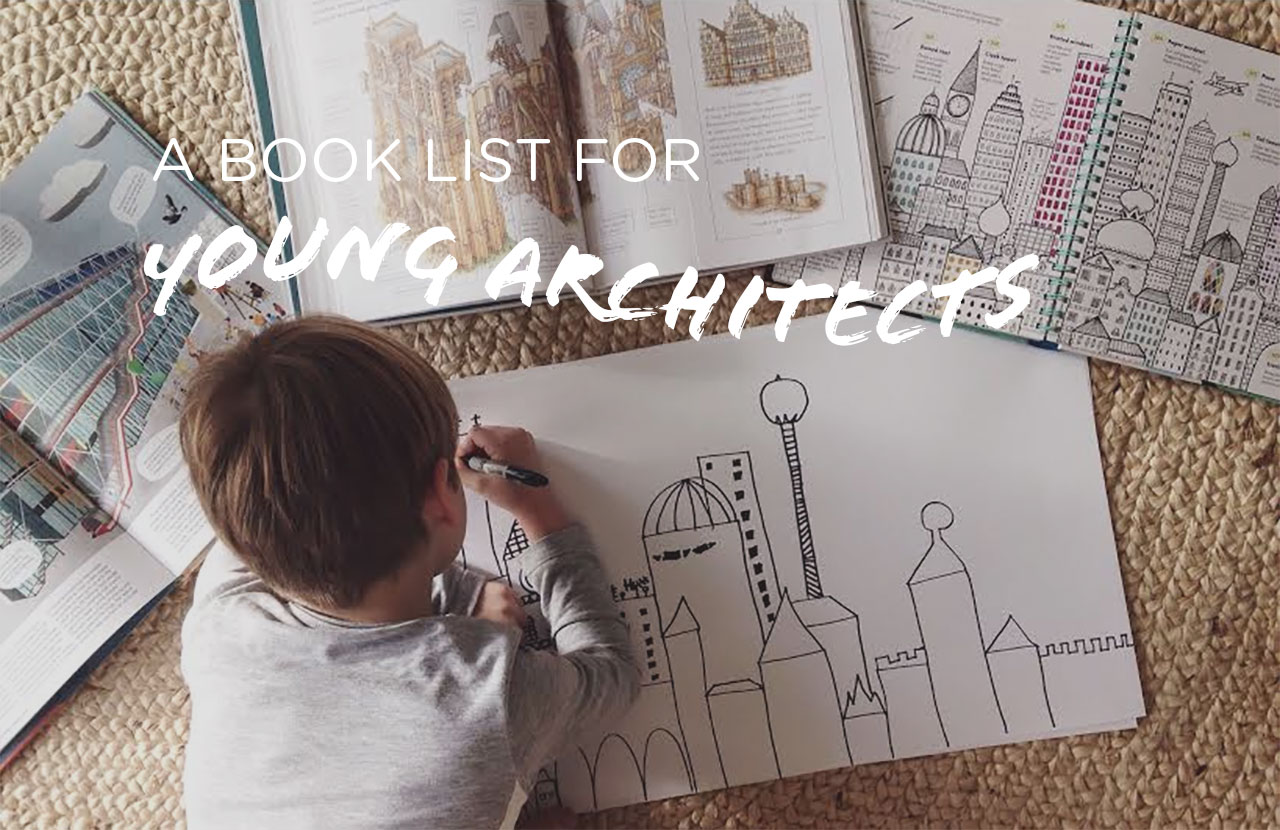


A Book List for Young Architects

By Mariah Bruehl,

A Book List For Young Architects

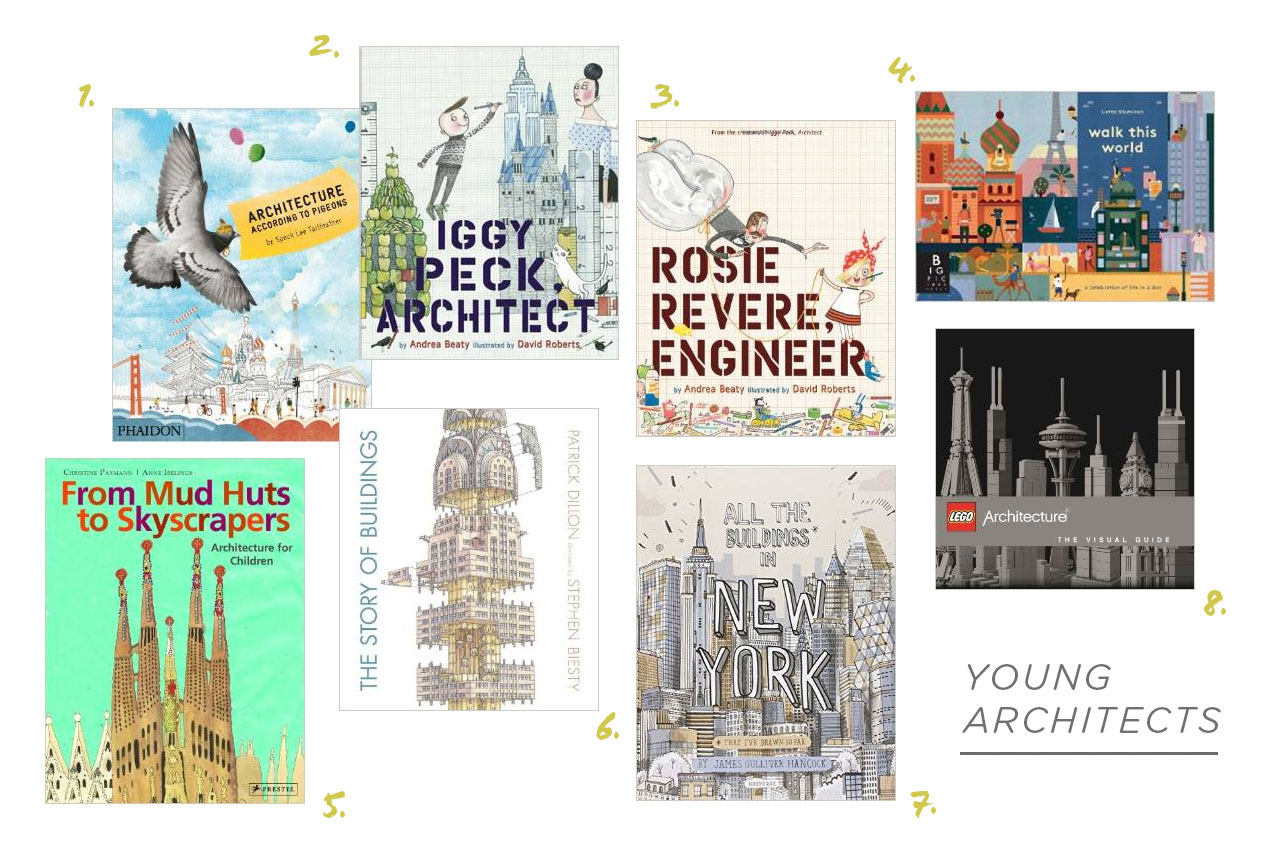
Taking a close look at the development of buildings over time is such a wonderful starting point for architecture and engineering.

The following titles are perfect for your young architect…

A Book List for Young Architects
  1. Architecture According to Pigeons by Speck Lee Tailfeather
  2. Iggy Peck Architect by Andrea Beaty
  3. Rosie Revere Engineer by Andrea Beaty
  4. Walk This World by Jenny Broom
  5. From Mud Huts to Sky Scrapers by Christine Paxmann
  6. The Story of Buildings by Patrick Dillon
  7. All the Buildings in New York: That I’ve Drawn So Far by James Gulliver Hancock
  8. Lego Architecture: The Visual Guide by Philip Wilkinson

There are also some apps which encourage building, such as Toca Boca Builders and Minecraft. Oh Minecraft, you are amazing, but also a little too addictive for our School Boy, so we have to have very strict time limits.

This year, we plan on looking at buildings in our community and sketching them as we sit and spend time in the city or capturing them with a digital camera to view at home. We hope to create a little journal of buildings, which inlcude acts such as architect, date of build, etc.  There’s so much to take in once you start to notice the details…

* This post contains affiliate links.

Holiday Book List: A Little Bit More

By Mariah Bruehl,

Holiday Book list: A Little Bit MoreWhen I originally decided to write a blog post about multicultural holidays and their shared message of peace and giving, I imagined myself surrounded by stacks of books, poring over them and selecting my favorites to share with you. As it turns out, the hardest part about writing this has been finding books.

Many of the religious holiday books told about traditions, food, or the candles, or why people fast, but didn’t share the spirit of the holiday.

So what I hope you will find here are books that invite a sense of awe at the beauty of the season, remind us we have so much to be grateful for, and reveal that we all want peace on earth. I have included books from different cultures, although not always holiday themed. I encourage you to share your favorite holiday books about peace and giving in the comments below.

Holiday Booklist: A Little Bit More

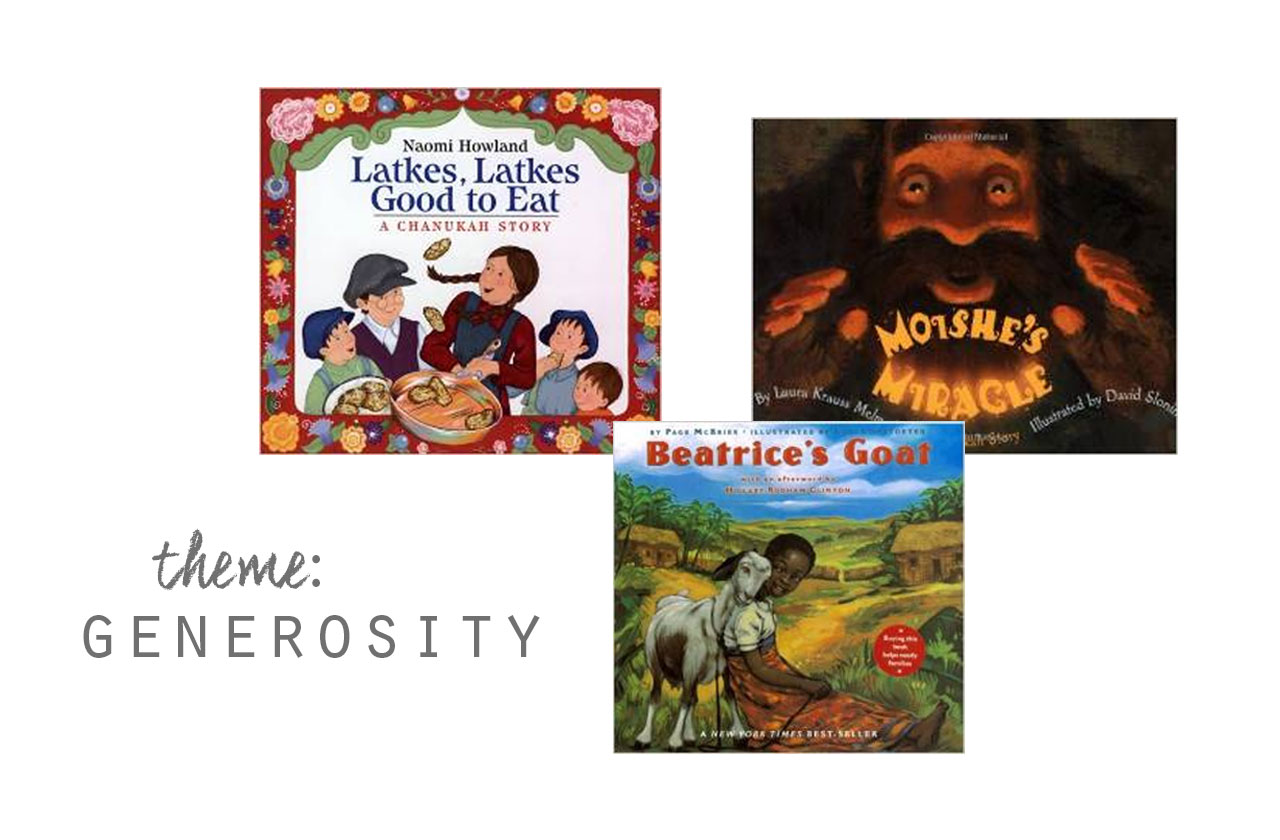
Books with Theme of Giving, Generosity:

Latkes, Latkes Good to Eat: A Chanukah Story, by Naomi Howland

Moishe’s Miracle: Hanukkah Story, by Laura Kraus Melmed, ill. by David Slonim

Both of these books are adapted from “The Magic Porridge Pot” by the Grimm Brothers. The first one is more appropriate for younger children, and the second one has eye-popping illustrations. These books could create an opportunity for a conversation about helping others and sharing what we have with those who need it.

Beatrice’s Goat by Page McBrier, illustrated by Lori Lohstoeter

This true story is about Beatrice and her family. Because of the gift of a goat, her family is able to sell the milk and raise enough money to send her to school. If you are looking for an opportunity to invite your children to give globally, this is a great story to show them how they can make a difference.

Holiday Booklist: A Little Bit More

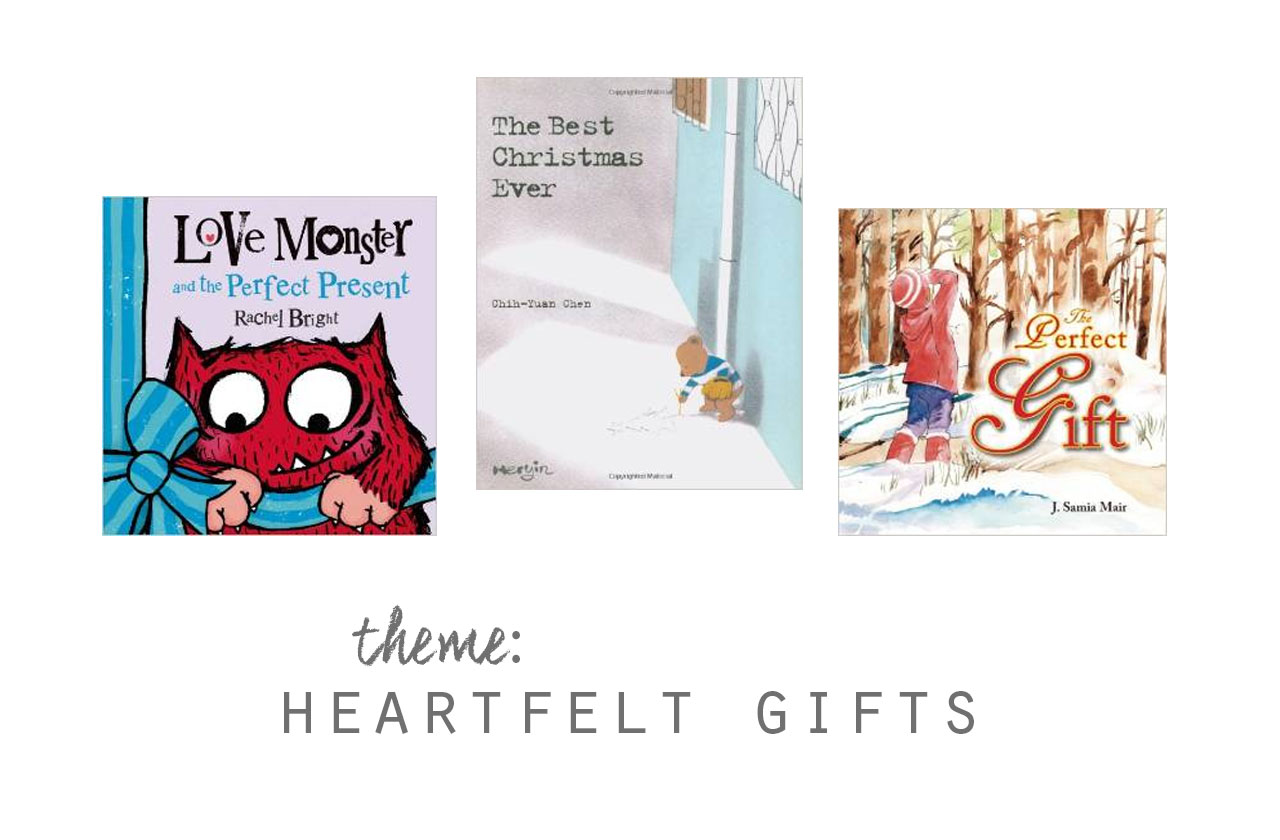
Books with Theme of Giving Heartfelt Gifts:

Love Monster and the Perfect Present, by Rachel Bright

I would have never picked this book up, but thankfully, a librarian recommended it. I love it. While there is no snow and it is not multicultural, it is universal. It is present day and Love Monster is lured in by the shops promising the perfect gift. We are reminded how easy it is to be caught up in the advertising and commercialism of the holidays. Since the stores don’t except lint and buttons as payment, Love Monster goes home empty-handed and very sad. In the end, he makes a present, telling his true love, “You are sunshine and stars to me.” Who wouldn’t love to receive that gift?

The Best Christmas Ever, by Chih-Yuan Chen

The story opens with the father bear being out of work and the family not having enough money for food. The words do not tell the whole story, but you will see clues in the pictures as to what is happening. In the end, there are gifts for everyone—lost hat, missing button, repaired kite, polished glove. The children notice footprints in the pretend snow around the tree. They wonder why they are so small. On the last page, the littlest member of the family is sitting on a chair and the bottoms of his feet are white. What a beautiful message about giving and noticing what might put a smile on someone’s face. It doesn’t have to be shiny and new but a simple act of thoughtfulness.

The Perfect Gift, by J. Samia Mair

This story takes place at Ramadan and Eid. It is the most religious of the books in this selection. A little girl wonders what to get her mother for Eid. Walking through the snowy woods, she discovers a lone flower. Its simplicity is perfect for this time of year. Why not have a walk through the woods or park and see what “gifts” you find?

Holiday Booklist: A Little Bit More

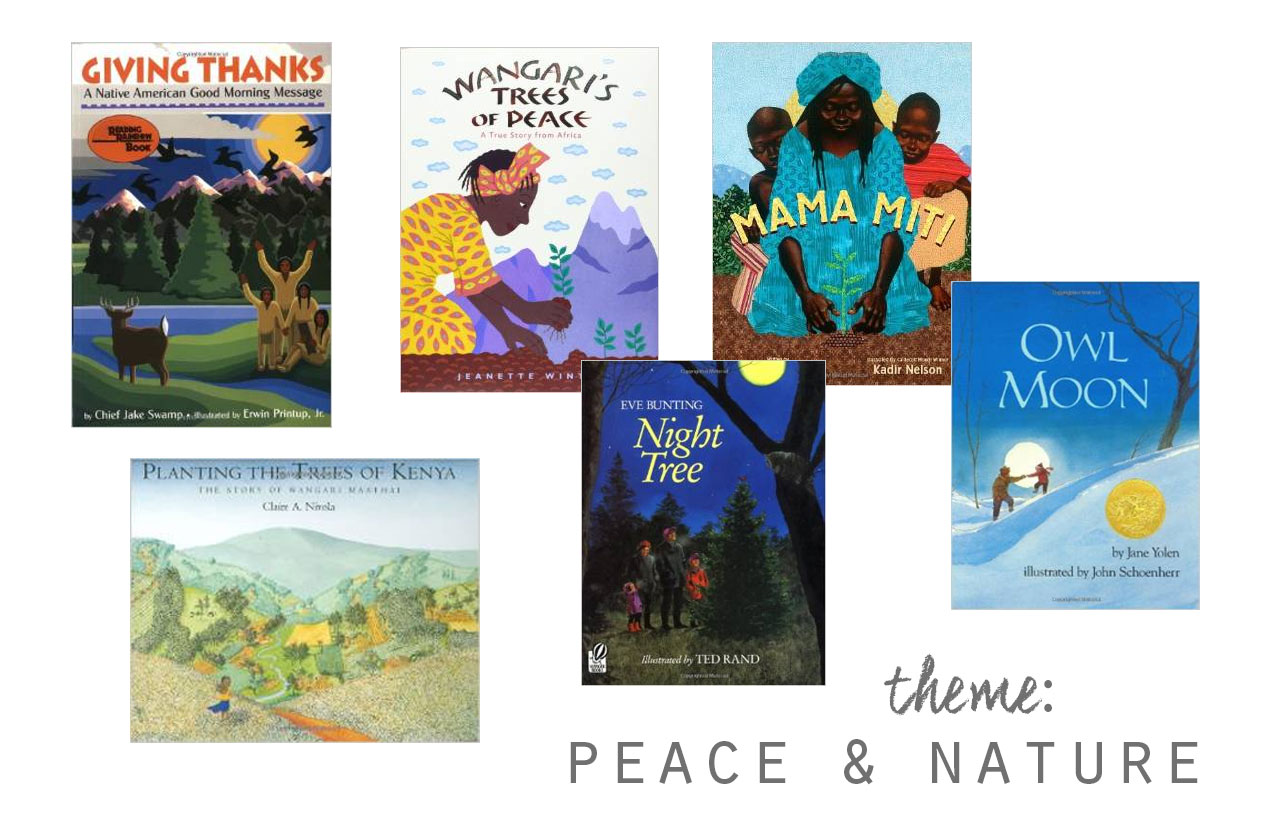
Books with Theme of Peace and Nature:

Giving Thanks: A Native American Good Morning Message, by Chief Jake Swamp, illustrated by Ervwin Printup, Jr.

OK, this is more appropriate for Thanksgiving, but with all of the excitement around presents, it is the perfect time to encourage discussions about the many wonders of the natural world to be grateful for.

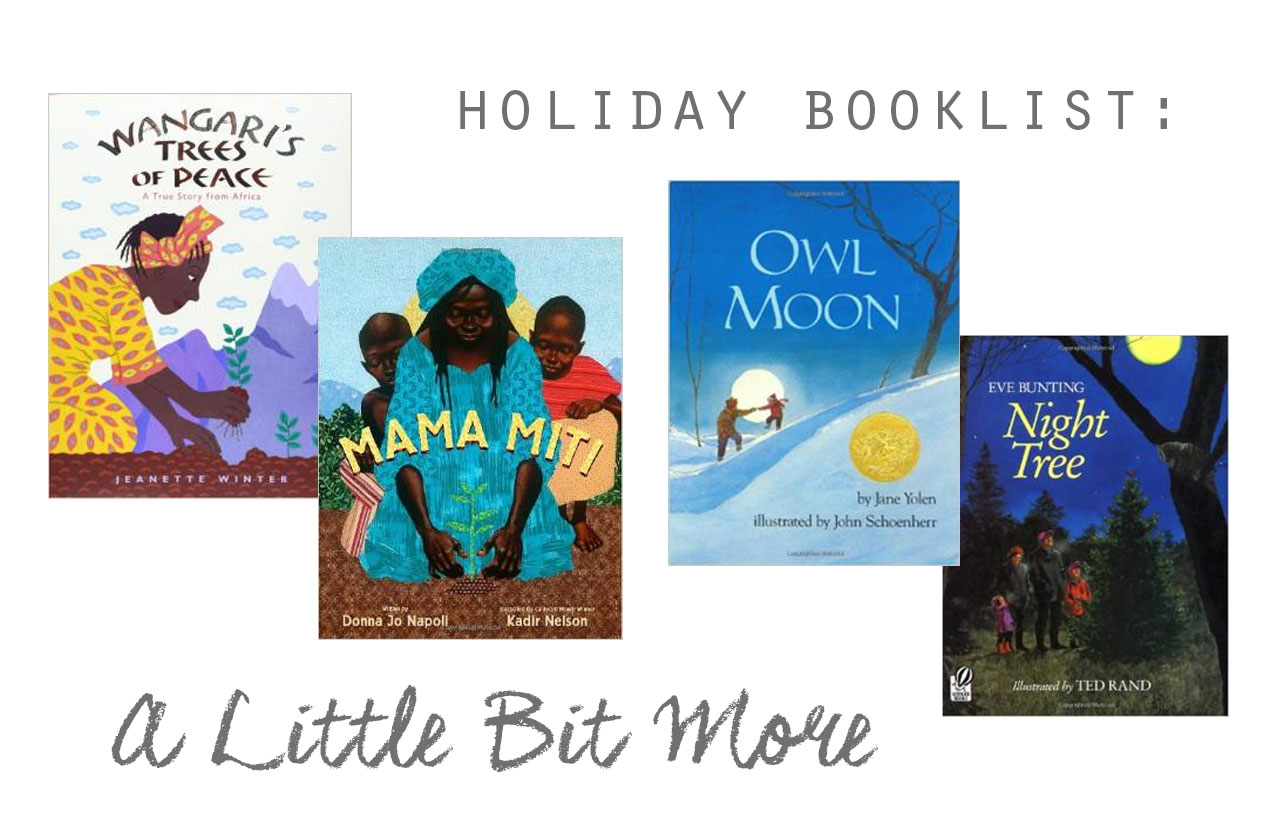
Wangari’s Trees of Peace: A True Story from Africa, by Jeanette Winter

Mama Miti, by Donna Jo Napoli, illustrated by Kadir Nelson

Planting the Trees of Kenya: The Story of Wangari Maathai, by Claire A. Nivola

These three books are about Wangari Maathai, who won the Nobel Peace Prize in 2004. I am including all three titles because I think they are appropriate for different ages. I am partial to Mama Miti because Kadir Nelson’s illustrations are gorgeous. While these books are not about holidays, they are about peace for each person, for nature and for a country.

Night Tree by Eve Bunting, illustrated by Ted Rand

This story is about a quiet family tradition of caring for nature. Every year on Christmas Eve the family drives to the edge of town where there is a copse of evergreens and decorate one with stringed popcorn, tangerines and apples for the wildlife. Year after year, they find the same tree to decorate so there is admiration for how the tree has grown over the year.   I love the oneness with nature and the quiet thrill of hoping to spot a deer or mouse nibbling on the treats. They also bring a blanket and sing carols, which probably spoils any chance of seeing a badger. Never mind.

Owl Moon by Jane Yolen

This is another book about peace with nature. I love the anticipation of seeing an owl in the woods. While this book is not a holiday book, I think this is the perfect time to get outside with our children. Nighttime is so magical and lights are such a focal point for the holidays. What better lights than the stars?

And of course, this list would not be complete without a reference to How the Grinch Stole Christmas, because we all need to be reminded that “Maybe Christmas (or Hanukkah, or Diwali, or Eid…) doesn’t come from a store. Maybe Christmas perhaps means a little bit more.”

5 Great Reasons to Read Graphic Novels

By Mariah Bruehl,

5 Great Reasons to Read Graphic Novels

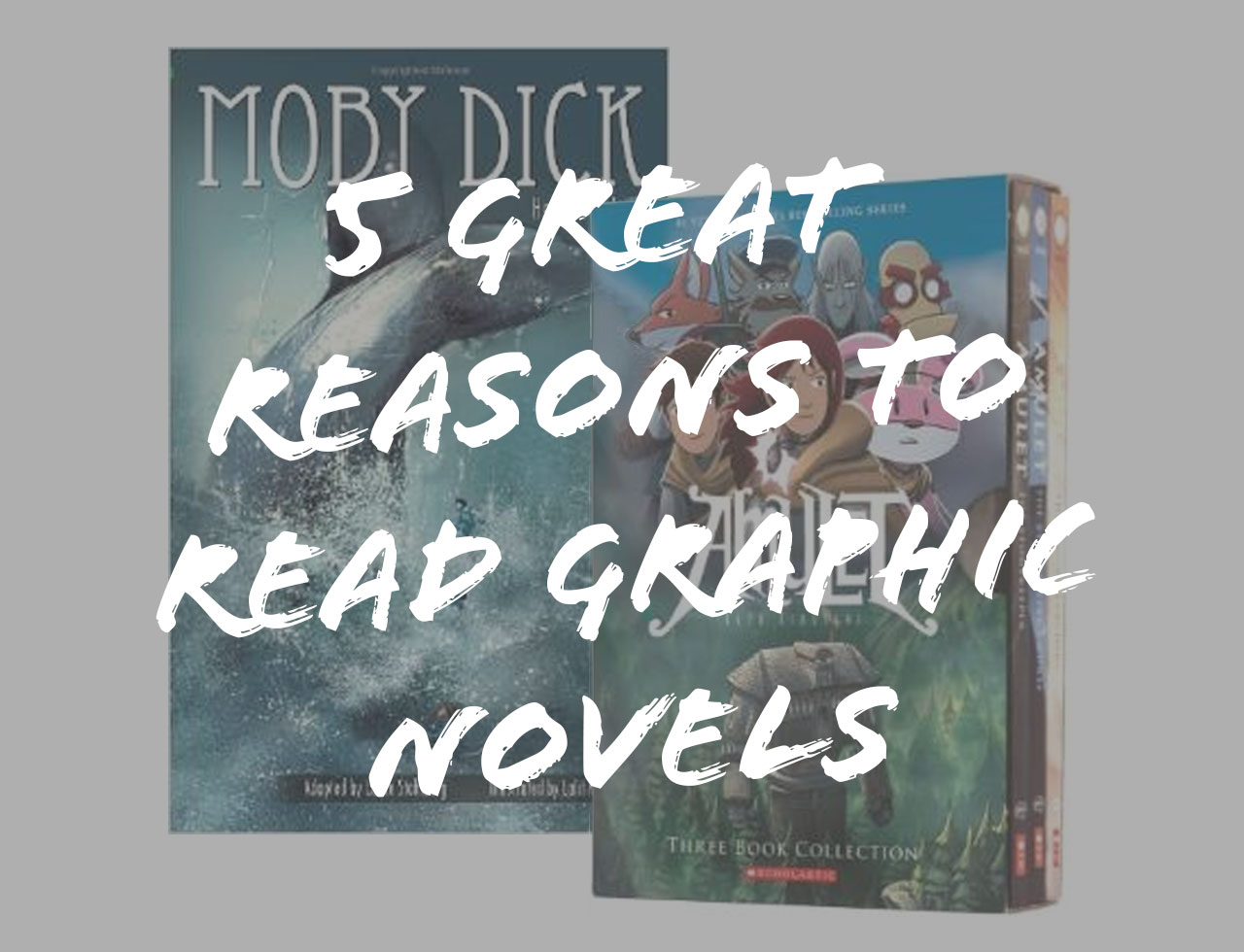
One of the biggest concerns many parents have (this can be an issue for boys in particular) is how to encourage reading in their kids.  No matter how many great novels you throw their way, some kids just don’t love it.  Enter graphic novels. Graphic novels are not glorified comic books; they are novels using images as well as words to tell a story. Graphic novels have many advantages:


  1. The images give an overview of the story, which encourages the child to read the whole thing. By looking at the images they can get a sense immediately of what is happening, particularly good for kids who are really turned off books.


  1. They are fast paced. For high energy, boisterous kids (like my two boys) slowing down can sometimes be a problem.  But graphic novels move quickly, the plots are exciting and there is often a good dose of action along the way.  This makes the exciting to read, again circumnavigating the ‘I hate reading’ problem.


  1. The images reinforce not replace the language. At first it may seem that this is just a glorified picture book but with a really good graphic novel a full understanding is only really reached when the words and illustrations work together. A kid may begin by skimming, but they’ll soon be turning back to re-read when to gain a better understanding of what is happening.


  1. The language is high quality. A really good graphic novel has to pair great illustrations with clear dialogue, the language and the images work together to create the story. With so little space for words they are chosen with a great deal of care for maximum impact and can seriously add to your child’s vocabulary.  They also deal with complex themes that will challenge them beyond their reading level.


  1. They can be read over and over…and over. Graphic novels are often a quick read, but I can’t tell you how many times I’ve seen my son returning to the same book. He seems to read in different ways each time and I’m amazed by how much he picks up in such a short space of time. Like anyone returning to an old favorite, he reads more slowly and absorbs both the language, plot and characters in much more depth. Letting them read something that is familiar and fun (alongside work that is supportive and challenging) will reaffirm that they are a good reader and that books are fun.

5 Great Reasons to Read Graphic Novels

1 / 2 / 3 / 4 / 5 / 6 / 7


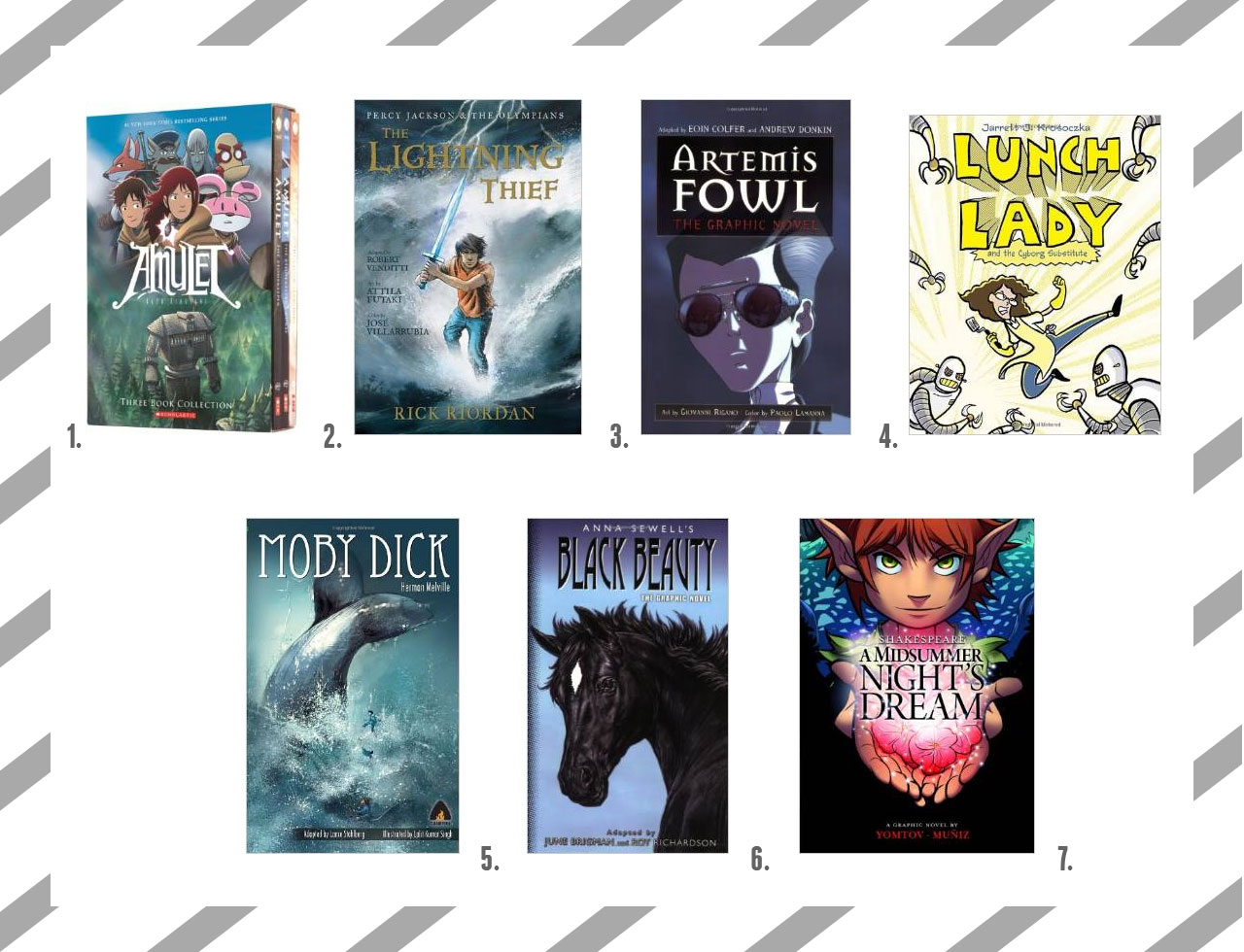
If you’re looking for a good starting place with graphic novels, or looking to add to your collection, here are a five of our favorite series.  As always, check any books to make sure that they are appropriate for your family.


  1. The Amulet Series: When my son began showing an interest in graphic novels at the library, I was really unhappy with the content he was finding on the shelves. Amulet was a great find and made us both very happy.  Written by the great Kazu Kibuishi, the story revolves around a brother and sister ….


  1. The Percy Jackson graphic novels: We were already Percy Jackson fans when these graphic novels were released, and they were a great way to keep the series alive for my son.  The novels were a bit too much of a reading challenge at that time, he’d adored the stories on audio book and kept wanting to listen over and over; but I wanted him to read.  These books were perfect and are very high quality, they render the main plot and characters of the story really well and even serve as an example of how to summarize a story without losing the most important elements


  1. Artemis Fowl: This is another novel series turned graphic novel, we had enjoyed these in audio form but still wanted more! The story revolves around 12 year old millionaire  Artemis Fowl, an Irish schoolboy turned arch criminal who discovers a hidden underworld of fairy folk unlike any you’ve ever met.  These stories are truly wonderful with a strong core of humanity running through them as characters have to make tough decisions in a world that often seems pitted against them.


  1. The Lunch Lady series: My son read about 5 of these in one mammoth session and continued to re-read them until the library demanded their return! He would laugh uproariously at the antics of the central character as she “serves out justice along with lunch”.  Fast paced and fun these would tempt even the most reluctant reader, and I admit I adore that the central character is a middle aged woman taking down cyborgs, ninja style.


  1. Moby Dick: While this book isn’t part of a series it is part of a concept, there are many wonderful graphic novel adaptations of classic novels out there. We’ve also loved this adaptation of Black Beauty and I plan to include many more in the future. Like an abridged version, the graphic novel provides the key elements of the story and hopefully negates some of the negativity often associated with reading ‘difficult’ classic stories.  Many well known novels have been adapted and are a great way to give a child access to the key ideas, even when the novel itself is a bit too much.  There are also wonderful adaptations of Shakespeare’s plays that really support and reinforce learning at any age.


If you are looking for even more inspiration the list on The Mighty Girl website has many fabulous suggestions that we can’t wait to try.  This list is focused more on female characters, but there is no reason why boys won’t enjoy them just as much!


* This post contains affiliate links.


Author Focus: Chris Haughton

By Mariah Bruehl,

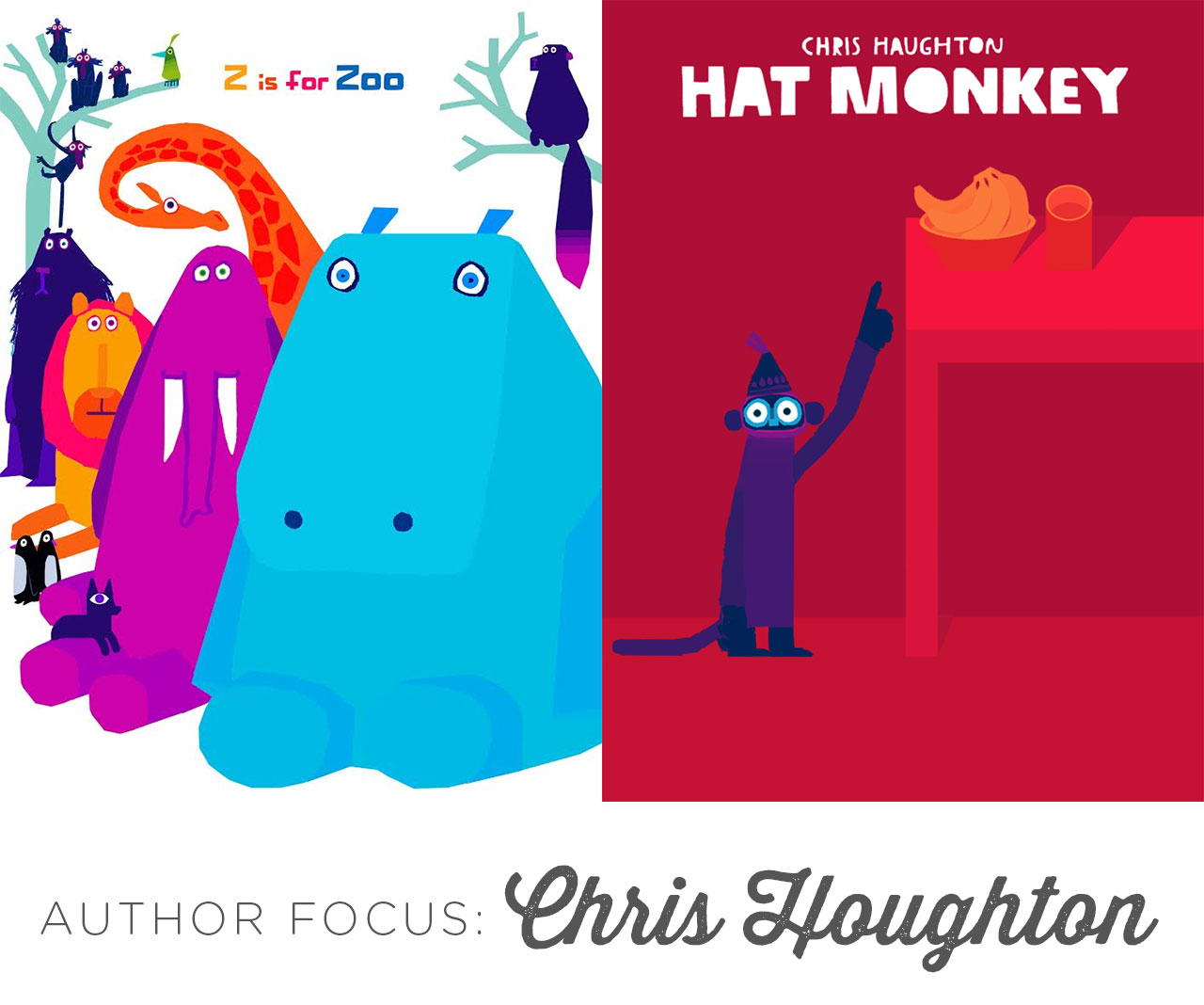
Author Focus: Chris HoughtonAs a family we adore Chris Haughton.  I do believe that Sshh we have a plan was my little one’s first favorite book which he requested over and over and then read himself.  Shh is an example of how the images can tell a story and at times very few words (in this case only 103) are required to gather the full comprehension of the text.  Chris plays magically with this relationship between text and image, and his work is a wonderful starting point when looking at multi-modal texts.

Delightful tales full of adventure are told through the clever link between text and the visual image. Chris is able to create a scene through the build up of images, from pulled back to close up, as does a magazine spread.  The color palette in each book is unique and allows for his books to be identified as the Chris Haughton aesthetic and yet each very different to the next.    Although his work appears to be a paper cut it is actually all created with pencil and digitally.  Shh however was crated with paper and the collage creation in order to develop the final layout.

With each of his picture books Chris has documented behind the sciences on his blog, allowing the reader to get an idea of what takes place during the creation of modern day picture books.  This is well worth a visit, as Chris shares his work without holding back and it is a perfect insight into the life of an author illustrator working to deadlines.

Here is a look a the making of each of his picture books…


Chris has also created an application aimed at the preschool years called Hat Monkey.


Overall Chris Haughton is not just an author adored by our family.  He is an award winning author/illustrator who has been acknowledged for his contribution to Children’s Literature over and over again including the Association of Illustrators award in 2014, Junior Guild Library award in 2014 and being Shortlisted for the Junior Magazine Design Award for best Picture Book to name a few.

Chris’s books can be found here:


All images are via the Chris Haughton website.

Author Focus: David Mackintosh

By Mariah Bruehl,

Author Focus: David Mackintosh

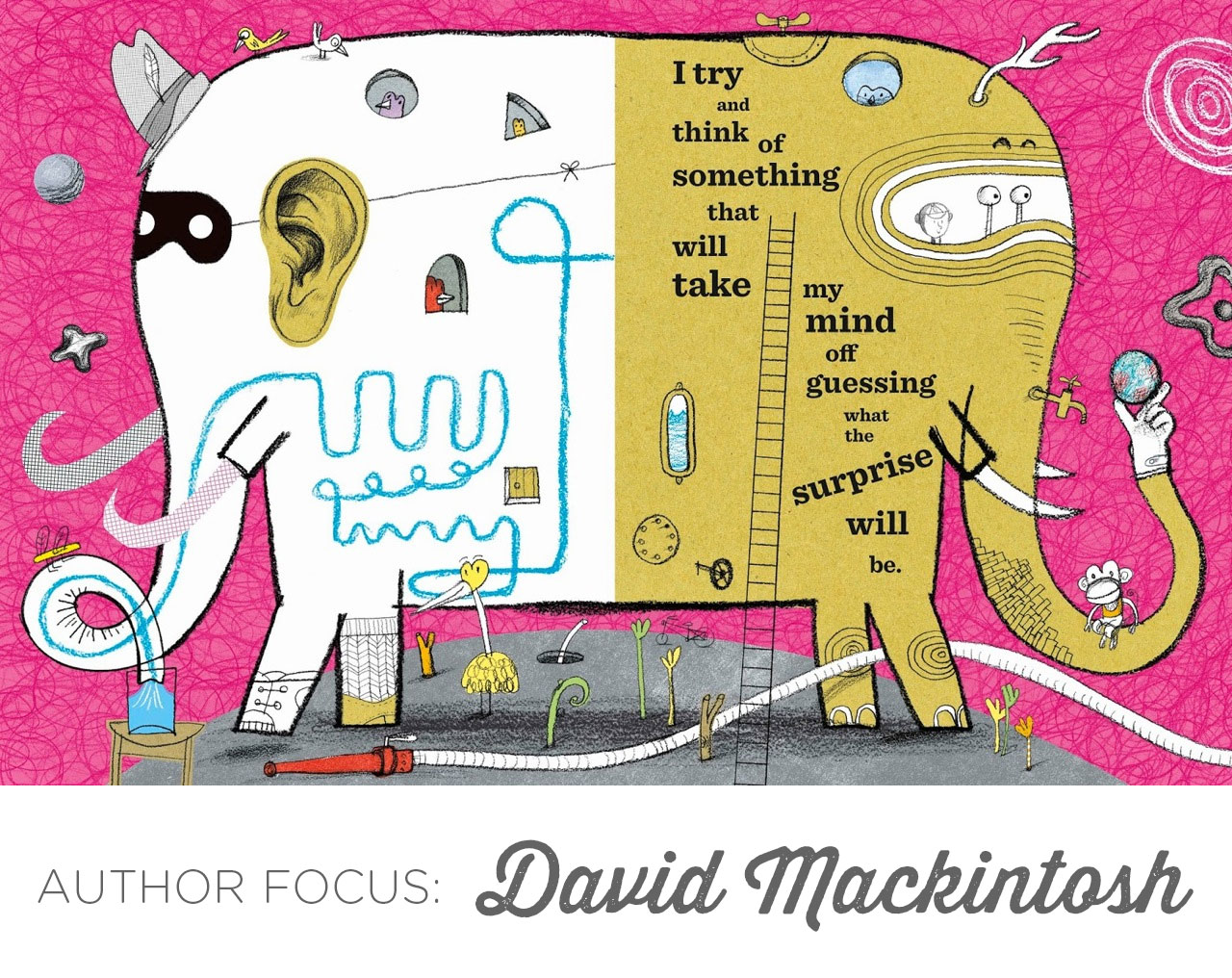
David Mackintosh is a delight. His style and color palette are just perfect. It is bold and graphic with fine details and there is always something interesting to draw the eye. We own all of David’s Author/Illustrator creations and adore their very specific humor. David Mackintosh is very clever in his approach to writing for children and he shares his craft so beautifully.

His titles have been long and short listed for numerous prestigious awards. He was won the Please Touch Museum Illustration Award in 2011 and the Hampshire Illustrated Book Award in 2012. I am certain that more accolades are to follow.

When sharing David’s books with my boys, I often post a few questions:

What can you see? What do you wonder? What does this remind you of?

By sharing a few quick questions, children tune in their brains to think about the text and going back into their memories to see if any connections can be made.

David’s books are listed below:

The boy and I are anticipating the soon to be released What’s Up Mumu? I am certain it will be as delightful as the other titles.

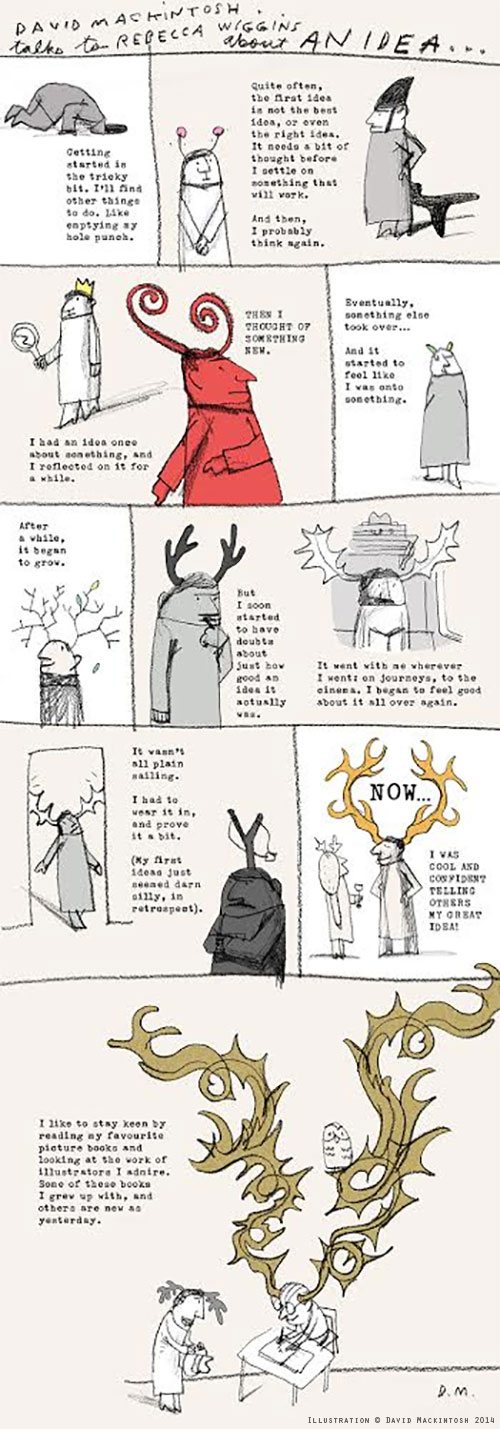
As a special treat, David has created an illustration just for Playful Learning! Thank you David, what an honor!

Author Focus: David Mackintosh(not for publication/reproduction)


Children as Philosophers: Exploring Loving and Giving

By Mariah Bruehl,

Children as Philosophers: Exploring Loving and GivingMonique of Green Acorns is with us today to share some thoughtful tips on helping our children to ponder life’s big questions.

As we approach this holiday season, many of us may be having conversations about what it means to give and why it’s important.  We will be seated with family and friends discussing what we are thankful for.  We will be sharing ourselves and what we have to offer with those we love. 

Giving, love, thankfulness: These are significant topics that we should all explore, especially with our children.  They are also topics that are deep and involved, yet children possess the skills that enable them to think about the issues.  Children naturally wonder about the world around them, are great at asking questions and therefore, are natural philosophers.  Have you ever been stumped by a question from a child like “does the universe go on forever and is that really possible” or “is it wrong to steal food if you are starving”?

Life’s big questions are complex and may not have clear right or wrong answers.  Whether or not they do, isn’t it more meaningful to let children come to their own conclusions?  It’s okay that we don’t have all the answers.  It’s okay, and even helpful, to ask your child more questions in return.  In fact, helping your child explore the issues for themselves demonstrates that we value their questions, their opinions, and what they have to offer.

Children as Philosophers: Explloring Loving and Giving

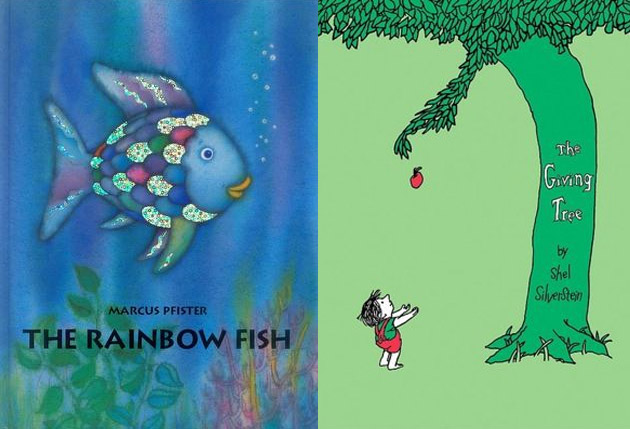
Two books that many children know that touch upon the topics mentioned above are The Giving Tree by Shel Silverstein and The Rainbow Fish by Marcus Pfister.  I enjoy reading these books with children for the purpose of opening a dialogue about the nature of giving, sharing, friendship, and love.  For example, should the rainbow fish give away something that is so central to who he is just to gain friends?  Are those fish seeking his special scales truly his friends?  What does it mean to be a friend to another?

This fairly short video is a good introduction to why practicing philosophy with children is beneficial.  The Teaching Children Philosophy website provides a list of books, the philosophical issues raised by each book, and guides for initiating philosophical discussions with children about those issues.  Don’t be hesitant to pick one up and give it a go with your elementary school age child.  Remain open and be okay with not providing answers.  I’m sure the conversation will be enlightening for both you and your children!

SaveSave

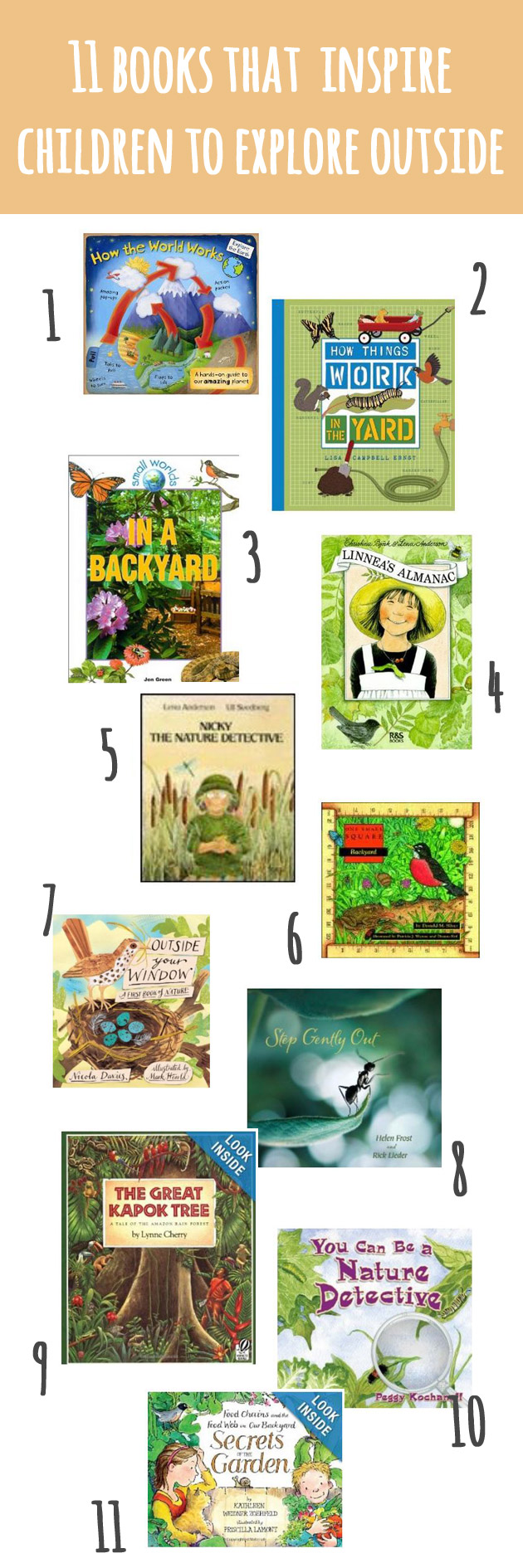
11 Picture Books that Inspire Children to Explore Outside

By Mariah Bruehl,

11 Picture Books that Inspire Children to Explore Outside

Seeing the natural world through the eyes of a child is an enlightening experience. Their innate appreciation and fascination for all living things is a quality that that can lead to many fulfilling learning experiences.

The universe provides parents with unlimited opportunities for connecting and growing with their children. Whether you are examining a grain of sand, veins on a leaf or the parts of a flower—all it takes is some time spent together in the great outdoors and an attitude of inquiry to make the world come alive with infinite possibilities for discovery.

Children are naturally curious. The goal for parents and teachers is to transform their questions into meaningful life lessons.

One of the best ways to entice children into exploring the great outdoors is by reading a good picture book. The goal is to pique their curiosity by asking questions as we read. Then invite the little scientists in our lives to grab a magnifying glass and seek the answers they are looking for. All while spending a lovely afternoon outside. What could be better?

Here is a list of the favorites we have discovered throughout the years…

Please do share your favorites as well!

  1. How The World Works by Dorian & Young
  2. How Things Work in the Yard by Lisa Campbell Ernst
  3. In a Backyard by Jen Green
  4. Linnea’s Almanac by Christina Bjork & Lena Anderson
  5. Nicky The Nature Detective by Lena Anderson & Ulf Svedberg
  6. One Small Square Backyard by Donald Silver
  7. Outside Your Window by Nicola Davis
  8. Step Gently Out by Helen Frost & Rick Lieder
  9. The Great Kapok Tree by Lynne Cherry
  10. You Can Be A Nature Detective by Peggy Kochanoff
  11. Secrets of the Garden by Kathleen Weidner Zoehfeld


10 Chapter Books to Read Together

By Mariah Bruehl,

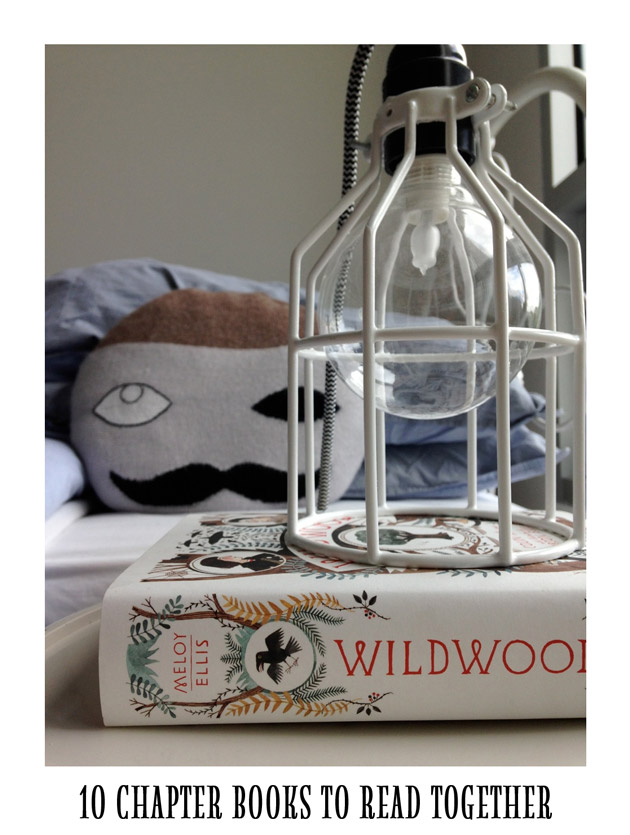
10 Chapter Books to Read Together

Rebecca from Thirteen Red Shoes is with us to share a lovely list of fun chapter books to read together with your children.

In our home, we have a few family rhythms that take place every day.  One of these is reading, often in many different forms.  Picture books are read throughout the day (I adore picture books, they are my weakness!). We have a basket in the car in which new picture books are placed and then rotated around between our picture book library and the boys collections in their rooms. Each night when our boys go to bed, we take the opportunity for one-on-one time. This takes place in their bedrooms and often ends with a story. We also take this time to listen to Little R as he reads a book from school, which was chosen by his teacher to match his developmental stage. While Little F, aged 3, enjoys reading a handful of picture books during this time, Little R, aged 6,  has begun to enjoy the structure and complexity of a chapter book.  We have enjoyed reading some of the classics out loud over the past 18 months, and are now looking at sourcing books we are unfamiliar with.

Below is a list of titles we have shared as well as some new books we are looking forward to reading over the coming months:

  1. Anything by Roald Dahl,and we mean anything!  These books always bring a smile to my little ones face, I think it is that off beat and quirky humor that he adores.

  2. The Harry Potter series (we have only read the first three as the others contain content that is much darker and too mature for our little one)

  3. The Tashi series.

  4. The Famous Five Series | Enid Blyton

  5. Alex, the Dog and the Unopenable door | Ross Montgomery

  6. The Grunts at Sea | Philip Ardagah and Axel Scheffler

  7. Figaro and Rumba and the Cool Cats | Anna Fienberg and Stephen Michael King

  8. Wildwood and Under Wildwood | Meloy and Ellis

  9. Operation Bunny | Sally Gardener

  10. The Children of the King | Sonia Hartnett


Peaceable Home: 8 Stories for the Heart

By Mariah Bruehl,

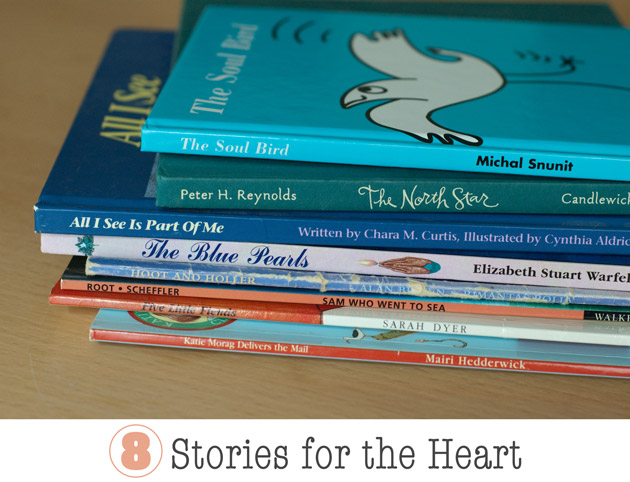
8 Stories for the Heart

Today Emma from 95 Acres of Sky is with us to share a lovely list of children’s books that we can turn to when we need to explore some of life’s big lessons…

As the weather begins to turn crisp and fresh, pinching cheeks and tugging hair out of hats, so we turn our thoughts more than ever to the fireside.  Cozy afternoons snuggled up with a huge pile of books is one of my most treasured treats of the colder months.  Though we’re not quite in hibernation season yet I love to plan a booklist that will return us to old favorites and introduce some new friends.

The list of wonderful children’s books is endless, there are more than it is possible to name, but I want to narrow down my list to a few that I feel speak more to the child’s heart than their head.  I’ve chosen a few books that I reach for when I want to explore some of the more complex moments that might rear up in a child’s life and that offer a little guidance and encouragement when things don’t always go as planned.

8 Stories for the Heart

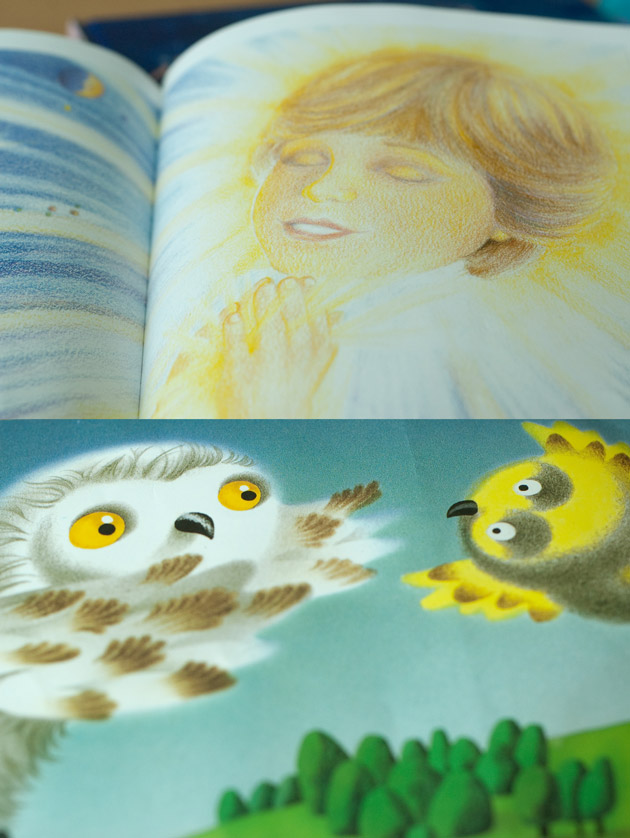
FriendshipHoot and Holler – This is one of my all time favorite picture books.  It is beautifully drawn and is perfect for the autumnal season featuring as it does two lovely owls.  The story explores what it means to be a friend, how to trust your heart and to never be afraid to express love.  I adore everything about it.

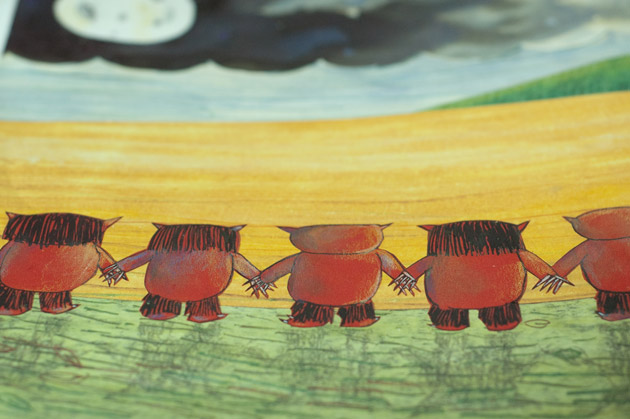
Sharing and ConsiderationFive Little Fiends – This unusual book takes us into a more mythical landscape occupied by the five little fiends, each one of which takes an element of the world away with them so that only they can enjoy it.  Of course they quickly realize the interconnectedness of all the world’s wonders and are finally able to appreciate it together.

Dream the Dream – Sam Who Went to Sea – This is an uplifting story of a river rat who dreams of the wide ocean.  Despite the lack of encouragement he experiences by those around him he builds his boat and finally achieves his dream.  The thing I like most about this book is that his friends and neighbors never really understand his passion for the sea but he finds peace and satisfaction none the less.

8 Stories for the Heart

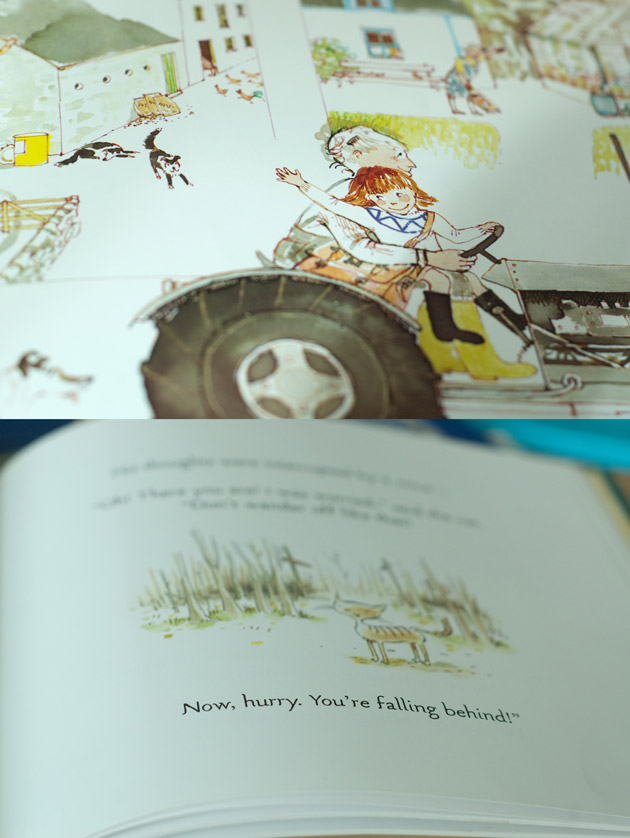
Making MistakesKatie Morag Delivers the Mail – This is one of a series of books set on the remote Isle of Struay off the coast of Scotland.  In this book Katie makes a mistake when she is delivering parcels and gets them all mixed up.   With the help of her grandmother she is able to sort it all out and return home happy.  The simple but vividly accurate depictions of home life, the significant power of a mistake in a child’s life and the importance of honesty and courage in resolving matters, is beautifully rendered in this soothing story.  A lovely fireside read.

Life’s JourneyThe North Star – In this extraordinary and very moving allegory a little boy makes his way along a path, trying to find his way.   He gets lost in the woods, misdirected and confused and must eventually find his way back to his true course.  It is clear that what is right for him, isn’t right for everyone and vice versa, but this story reinforces that we must choose our own path and stick to it, no matter the outside pressures.  A great story for a child dealing with peer pressure at a young age.

SpiritualityAll I See Is Part Of Me and Soul Bird – Both these books help to answer some of the questions even very young children can have about their place in the world and what it means to be alive.  All I See Is Part Of Me explores the connections between all things and stresses the light that is within us all.  Soul Bird is suitable for older children (8+) and examines the true essence of a person and how our inner self can affect our outer actions.  A great resource to help children make the connection between inner pain and behavior.

8 Stories for the Heart

GriefThe Blue Pearls – Finding a vocabulary to discuss loss and grief with children can be incredibly difficult and yet couldn’t be more crucial.  This book tells the story of angels who are preparing to welcome a little girl to heaven.  This book was a gift to me when my mother died and is a wonderful resource for explaining death to a child while emphasizing the unending nature of life.  I would caution you to read it alone first though as tears are inevitable!

The common thread that runs through all of these wonderful books is that none of us is alone in our struggles through life.  Other people have made mistakes, lost friends, asked questions about existence and felt deep sadness.  To know that these experiences are not unique, that they are part of being human and can be resolved and overcome, is a wonderful gift.  In the end all of us, whether adult or child, old or young, simply want to know that even when our hearts are filled with sadness, we are not alone.


SaveSave